From the series Vital to Earth! Keystone Species Explained
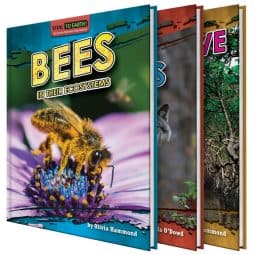
Bees in Their Ecosystems
Reading Level Grades 4-5Interest Level Grades 3 – 7Copyright 2024
Reviewed From the series Vital to Earth! Keystone Species Explained
Reading Level Grades 4-5Interest Level Grades 3 – 7Copyright 2024
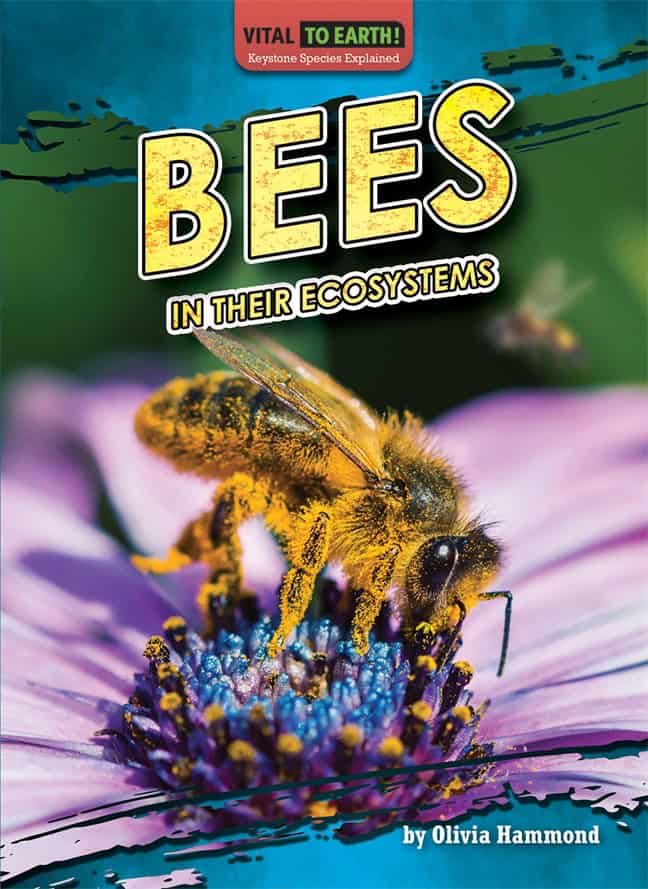
ReviewedTiny, buzzing bees flit from flower to flower. All around, plants are in bloom and animals are munching away at juicy, ripe fruit thanks to the hard work of these important pollinators. Bees are vital to their ecosystems, helping ground complex food webs that feeds creatures big and small. Uncover the truth about this important keystone species, explore how bees shape entire ecosystems, and learn what’s at risk if these buzzing bugs were to disappear. Approachable text and engaging images bring this timely topic to life.
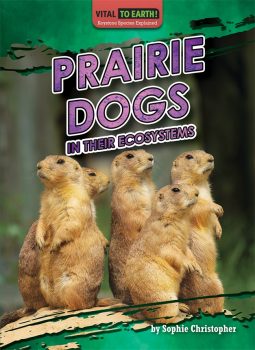
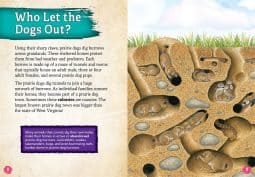
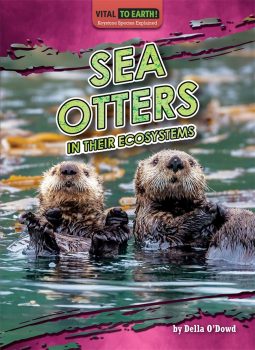
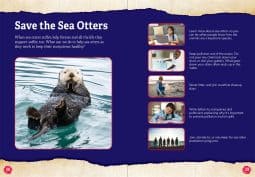
Each animal (plus one plant) is introduced primarily in terms of its crucial ecological role as a keystone species. In Sea Otters, for example, readers learn about the environmental importance of kelp forests, then discover the otters’ unique ability to hunt the sea urchins that feed on kelp. The second half of each book looks at threats to the keystone species, potential dangers if they can’t fill their roles, and efforts by humans to protect them. Clearly written text covers various ways that these species fit into their ecosystems. Prairie dogs, for instance, keep soil healthy, aiding grazers, birds, and insects, and also serve as the single food source for black-footed ferrets (Prairie Dogs). Large photographs depict the environments and the ways that animals interact with it. A final spread offers tips for readers to help preserve the species. VERDICT Clear, well-organized introductions to keystone species and their habitats.
School Library Journal