From the series Vital to Earth! Keystone Species Explained
Prairie Dogs in Their Ecosystems
Reading Level Grades 4-5Interest Level Grades 3 – 7Copyright 2024
Reviewed From the series Vital to Earth! Keystone Species Explained
Reading Level Grades 4-5Interest Level Grades 3 – 7Copyright 2024
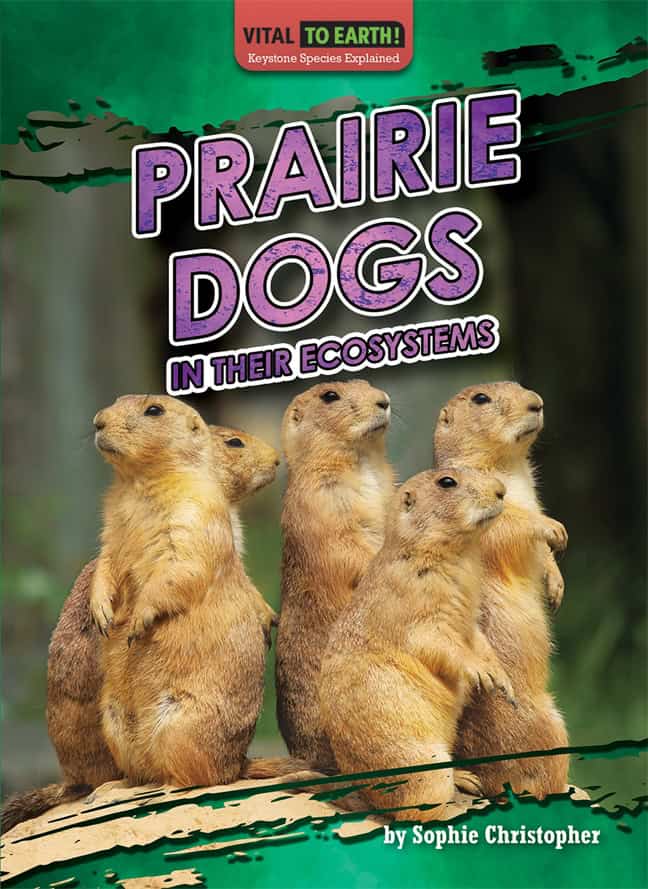
ReviewedHundreds of prairie dogs pop out of holes scattered across a field of swaying grasses. They have made a complex web of tunnels below the surface of the grassland while above grazers, flying predators, and even little insects benefit from the healthy home prairie dogs helped create. Prairie dogs are vital to their grassland ecosystems, keeping the soil healthy so the rest of life in the environment can flourish. Uncover the truth about this important keystone species, explore how prairie dogs shape entire ecosystems, and learn what’s at risk if these little diggers disappear. Approachable text and engaging images bring this timely topic to life.
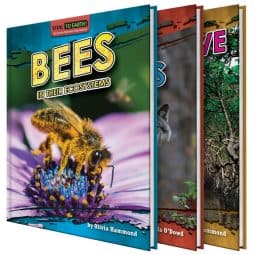
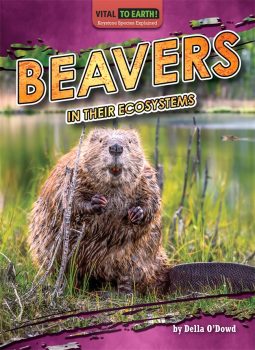
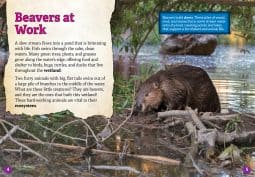
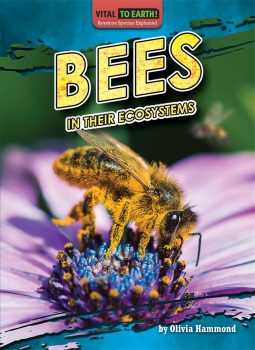
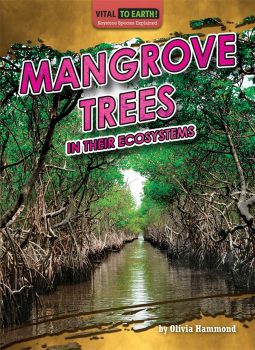
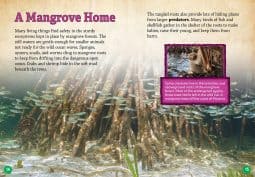
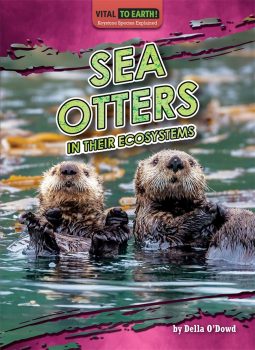
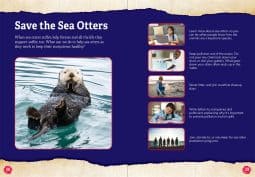
In the Vital to Earth! Keystone Species Explained series, readers get a chance to learn about plants and animals that play important roles in their ecosystems. Beavers highlights these adorable creatures’ skill at building ponds and dams, which, in turn, help protect the wetlands where they and countless other creatures live. Mangrove Trees showcases how these fantastically rooted trees adapted to living in saltwater, allowing them to protect coastlines and inland bodies of water in addition to creating healthy habitats for plants and animals alike. In Prairie Dogs, readers will learn more about this chipper ground squirrel, which inhabits grasslands stretching from Canada to northern Mexico and whose landscaping habits result in healthy soil and burrows for myriad critters. Sea Otters looks at the food web within kelp forests, explaining how otters’ diet of kelp-munching creatures keeps these marine forests from disappearing. Each book offers an easy, quick, and informative read and ends with lessons on how people can save these species and their ecosystems. A glossary and further-reading list concludes, the latter also featuring a QR code linking to online resources. This series will make a solid addition to science collections and help students learn about the flora and fauna that keep the natural world in balance.
Booklist
Each animal (plus one plant) is introduced primarily in terms of its crucial ecological role as a keystone species. In Sea Otters, for example, readers learn about the environmental importance of kelp forests, then discover the otters’ unique ability to hunt the sea urchins that feed on kelp. The second half of each book looks at threats to the keystone species, potential dangers if they can’t fill their roles, and efforts by humans to protect them. Clearly written text covers various ways that these species fit into their ecosystems. Prairie dogs, for instance, keep soil healthy, aiding grazers, birds, and insects, and also serve as the single food source for black-footed ferrets (Prairie Dogs). Large photographs depict the environments and the ways that animals interact with it. A final spread offers tips for readers to help preserve the species. VERDICT Clear, well-organized introductions to keystone species and their habitats.
School Library Journal