Jean Little Library Blog
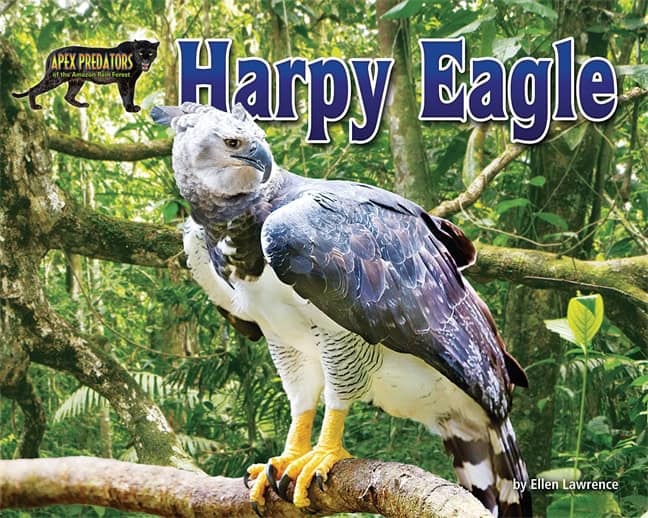
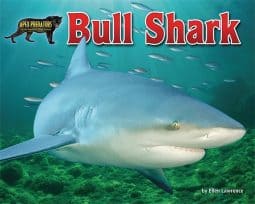
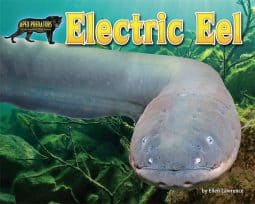
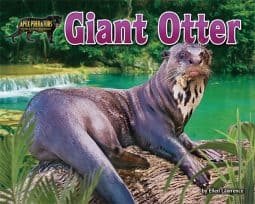
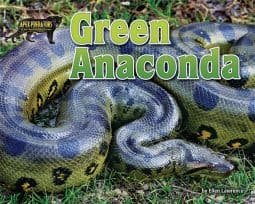
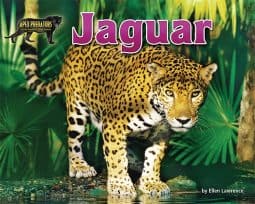
This new series features Apex Predators, from giant otters to jaguars. I received the Harpy Eagle for review. Harpy eagles are really cool. I didn't really learn anything new in this book, but I enjoyed revisiting these cool creatures. This rain forest eagle is one of the largest birds of prey, nesting in tall rainforest trees and preying on monkeys, sloths, coatis, and other mediumsized creatures. My favorite part of the harpy eagle is the way they can pop up a circle of feathers around their face. This has a practical use directing sound to their small ears but it also looks simply adorable. It's this big fluffy circle (with, you know, a razorsharp beak in the center). In addition to the facts about the harpy eagle, its habitat, prey, and life cycle, there are also inset facts about the eagle and the rainforest, questions to get readers thinking about the text, a science experiment, glossary, and index. Verdict: If you're looking to diversify and add to your animal books, this series is a good choice to fill out some more unusual predators.
NSTA Recommends
Apex Predators of the Amazon Rain Forest: Harpy Eagle stands out among books about predators because of its engaging formatting and its questioning strategies that propel the reader forward through the texts. In addition, it has clear, crisp photographs that are closely paired to the text to give young readers a good introduction to this predator. The vocabulary is limited enough for the target audience, but has some adaptation specific vocabulary to enrich the reader's knowledge. The text features are well formatted for young readers. I would use this text to allow students to gather information about animal adaptation and sensory processing. I think that it provides good information to support students' understanding of core ideas in animal behavior. It would also support using text features for research and synthesis of information. Because this text is part of a series of similar texts, it would be a great classroom addition for shared research.