Booklist
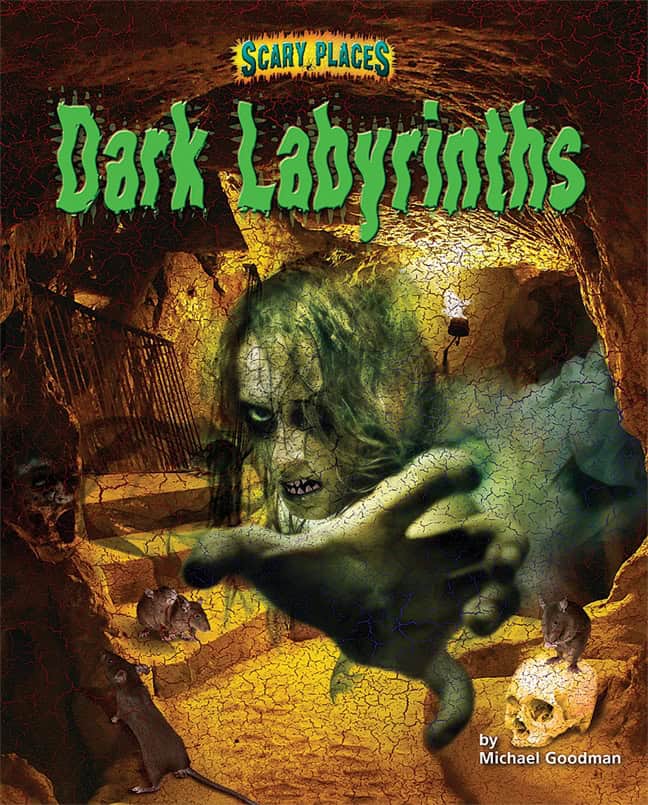
The topics of the Scary Places series may seem familiar - ”castles, cemeteries, haunted houses - ”but the format elicits a surprisingly expansive reach. Each book is divided into 11 twopage spreads, and while this doesn't allow for a lot of depth, it does inspire the authors to cycle through tons of subjects - ”and the lesserknown ones are fascinating. Dark Labyrinths makes a case that the mostly underground mazes of humankind were, for the most part, designed for safety purposes. From the underground city of Derinkuyu, Turkey (which could have housed as many as 100,000); to the saltmine cathedral in Wieliczka, Poland; to the boobytrapped tunnels used in the Vietnam War, this is a compendium of creepy claustrophobia that might even inspire a few family sojourns. Wretched Ruins has a number of the usual suspects (Machu Picchu, Stonehenge, Easter Island) and occasionally stretches the meaning of the word ruins (are the desert drawings of Nazca, Peru, really ruins?). But what it does well is communicate the awe of discovery - ”readers will feel the thrill of being there at the explanation of the Mayan city of Tikal and the shock at seeing the tombs carved into the cliffs of Petra, Jordan. Ghostly legends are often granted asides, and the solid back matter includes a world map that shows the impressive global scope of each volume.
School Library Journal
Dark Labyrinths explores the creepiness of underground tunnels, shelters, and cities that have been long buried. Particularly compelling is Budapest's ancient, naturally made tunnel system nicknamed the Labyrinth of Courage, which hid civilians during World War II. Other underground places described house ghosts, glowing worms, and, in Colorado Springs, a satellite tracking center to warn the United States of impending missile attacks. Wretched Ruins provides brief profiles of 11 sites, including some in Iraq, Peru, Jordan, Chile, and Greece. On each spread, a paragraph outlining the location and the ancient peoples who inhabited the area is superimposed on a fullpage, grainy photograph. It faces a short history of the site's discovery and possible explanations for its construction, juxtaposed with a closeup or detailed, clearer photo that further illustrates the place'swretchedness ormystery. Some spreads include a factoid on theories such as the one that aliens built the Easter Island statues. A closing spread offers a world map that indicates each location. These eyecatching books will work well with reluctant readers and have enough shock value to inspire them to do further research.