Booklist
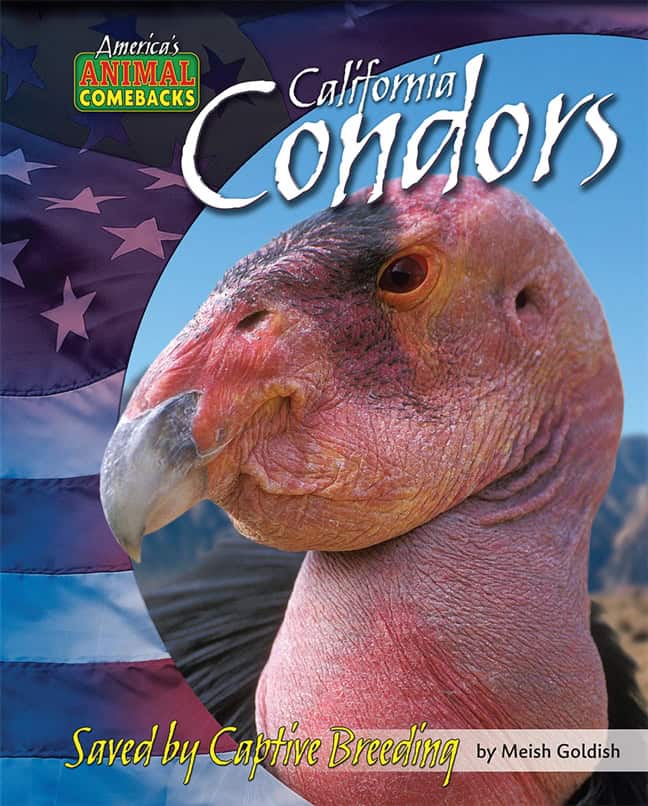
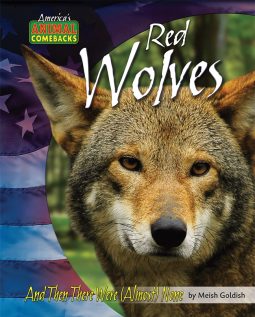
Books in the America's Animal Comebacks series spotlight species teetering on the brink of extinction that have been brought back by determined conservationists. California Condors takes on the titular species, which has lived in North America for 40,000 years. But with the settling of the West, hunters and ranchers targeted the enormous birds, and their numbers dwindled. In 1987, when scientists captured the last California condor in the wild, a careful captive breeding and release program began increasing the species' population from 27 to 320, with half of those living in the wild. Before European settlement, the animals featured in Red Wolves roamed eastern North America, but in the 1980s, only 17 remained. Biologists began breeding them in captivity and gradually releasing them. Today, more than 100 red wolves live in the wild and 200 more are being raised in American zoos. Despite rigid division into separate topics on the 12 doublepage spreads, each volume has a wellorganized text that flows logically from one idea to the next. The illustrations, mainly photos with a few helpful range maps, come from many sources. Appended features include a page of fast facts, information about a couple of related species that are endangered, a glossary, brief bibliographies, and a link with more information online via the publisher's series Web site.
School Library Journal
These titles introduce the work of scientists to restore California condors and red wolves to viable populations in the wild. Each book begins with the day of a captive animal's release into its natural habitat. Then, the book goes back to trace the decline of the species; the plan for capture, breeding, and release; and a review of the success of the endeavor. The narratives, meant to be read straight through, flow well and paint a clear picture of the trials and triumphs of each project. Crisp photos and maps on every page work well with the text and give faces to the scientists and animals. The back matter includes a facts page, information on related species, and an uptodate reading list. These useful books will work equally well for curious readers who enjoy narrative nonfiction and those with assignments on either species.