Pennsylvania School Librarians Association (PSLA)
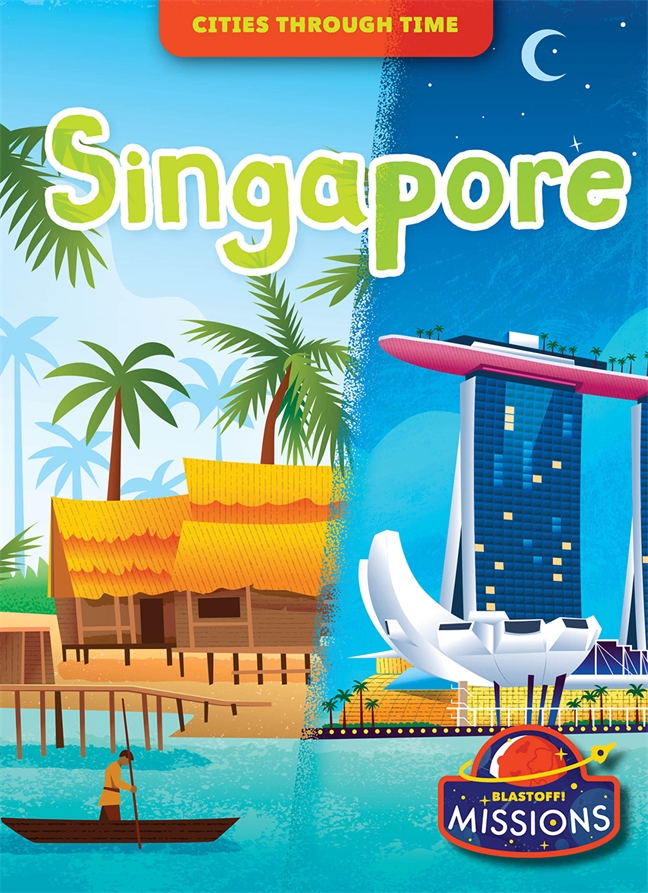
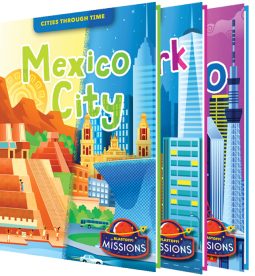
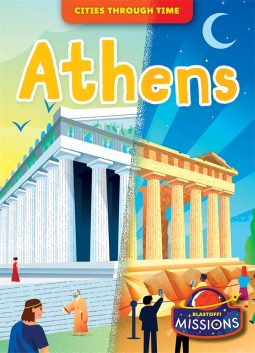
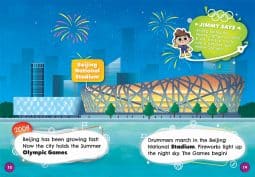
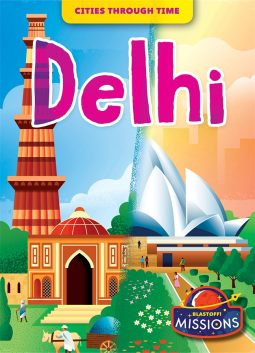
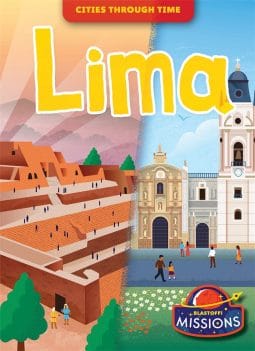
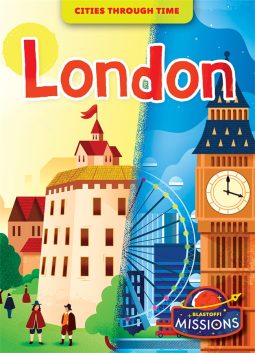
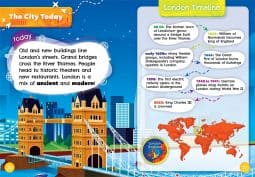
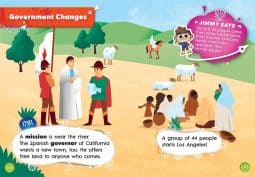
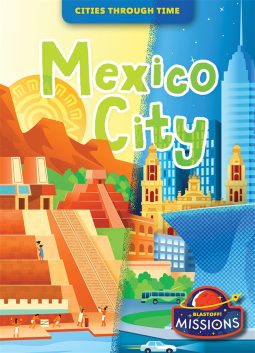
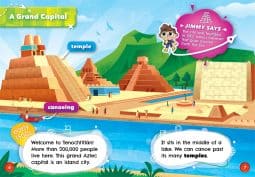
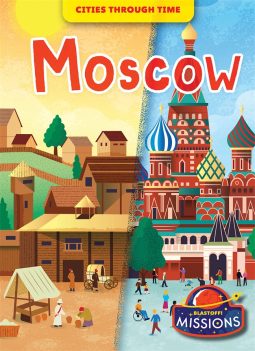
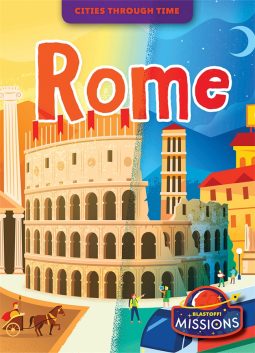
These colorful titles aim to present the history of major cities from ancient to modern times. London begins in 50 CE with Roman invaders, then showcases 1066 BC with the crowning of William of Normandy, then early 1600s with Shakespeare’s theater, next 1666 with the plague and Great Fire of London, followed by 1890s’ industrial revolution, 1941 German bombing of the city, and finally, 2023 with the coronation of King Charles III. The book ends with a one-page timeline that summarizes each of the seven highlighted times and shows the country on a world map. Includes a glossary (11 words), further reading, index, and Factsurfer link, which leads to three useful kid-appropriate websites about the city. “Blastoff Jimmy’ begins the book with three Mission Goals (one is “learn about different challenges London has faced”) and ends the book with three “Beyond the Mission” tasks (such as “which part of London’s history would you like to visit?”) and occasionally Jimmy shows up on pages to give more facts. The series currently has 12 titles. THOUGHTS: This is an ambitious idea and helpful in grasping a long-range perspective, but the jumps in time can be surprising (World War II to King Charles III). Recommended for browsing and for generating questions about the city which students could seek to answer. Supplemental purchase.
School Library Journal
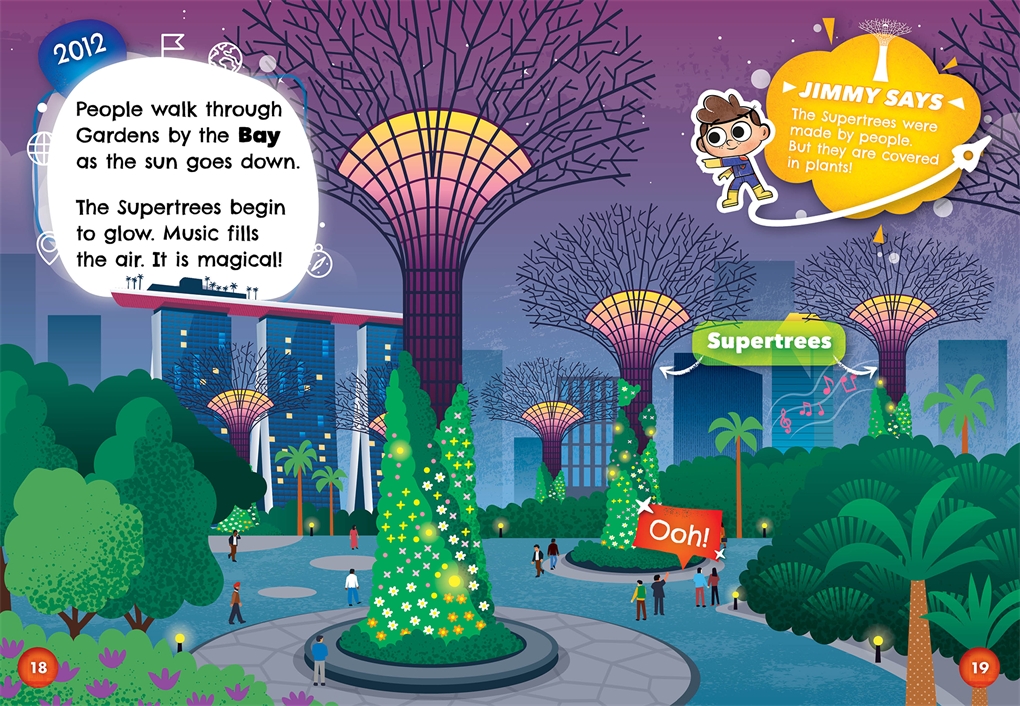
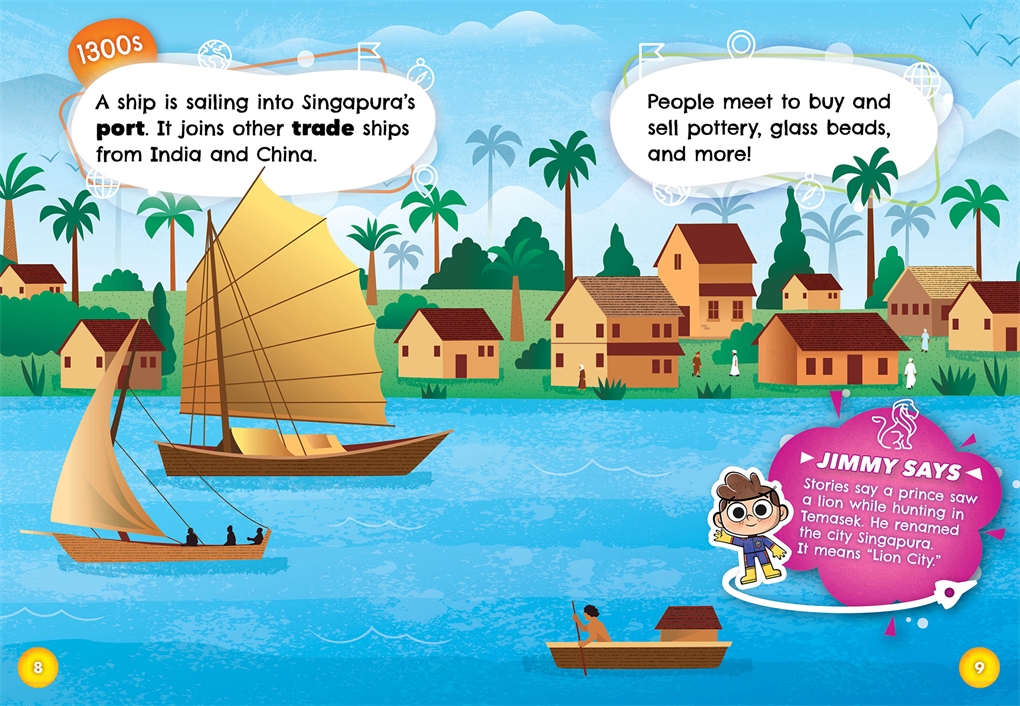
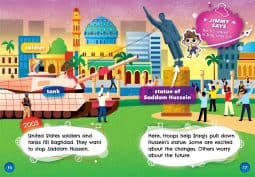
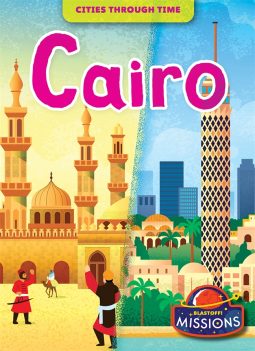
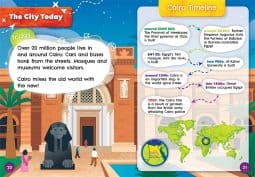
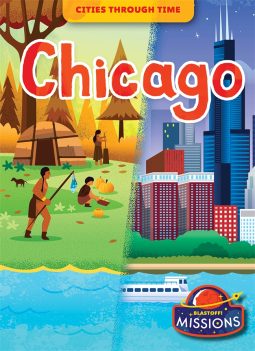
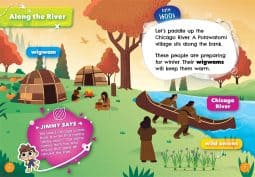
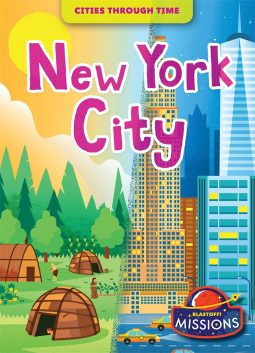
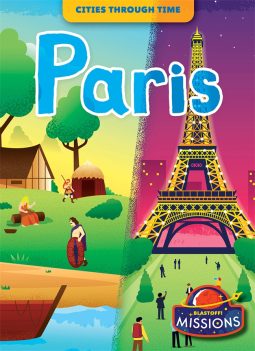
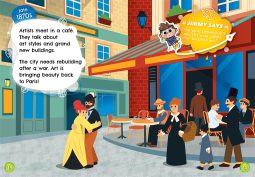
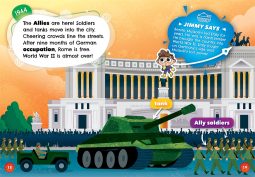
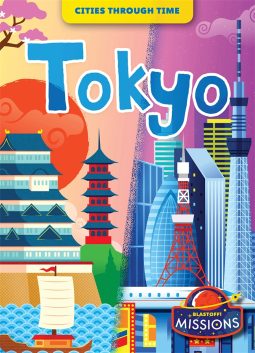
This series explores the history of major international cities, highlighting key events, landmarks, and political milestones that shaped them into the modern cities we know today. Readers will discover that Chicago was once a Potawatomi village before becoming a major hub for rail travel, and also a significant destination during the Great Migration. Paris evolved from a small fishing village into the world’s fashion capital, while Cairo is portrayed as a city rich in diversity, shaped by the many civilizations that once ruled it. A cartoon character named Blastoff Jimmy appears throughout the chapters in text boxes, sharing quirky and intriguing tidbits—did you know that “Chicago” means “stinky onion”? Each book begins with three mission goals and thought-provoking questions to guide readers and concludes with “Beyond the Mission,” offering reflection questions. The back matter includes a glossary, a timeline, and an index. VERDICT While the books may be light on specific details, they are filled with vibrant illustrations, making them an engaging addition for younger readers. A good supplemental choice for collections.