Review
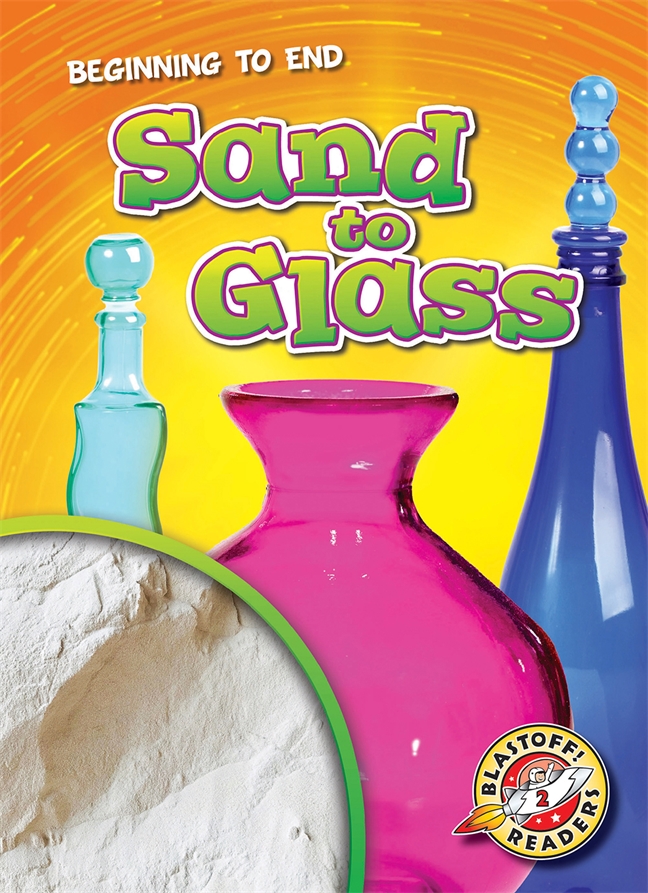
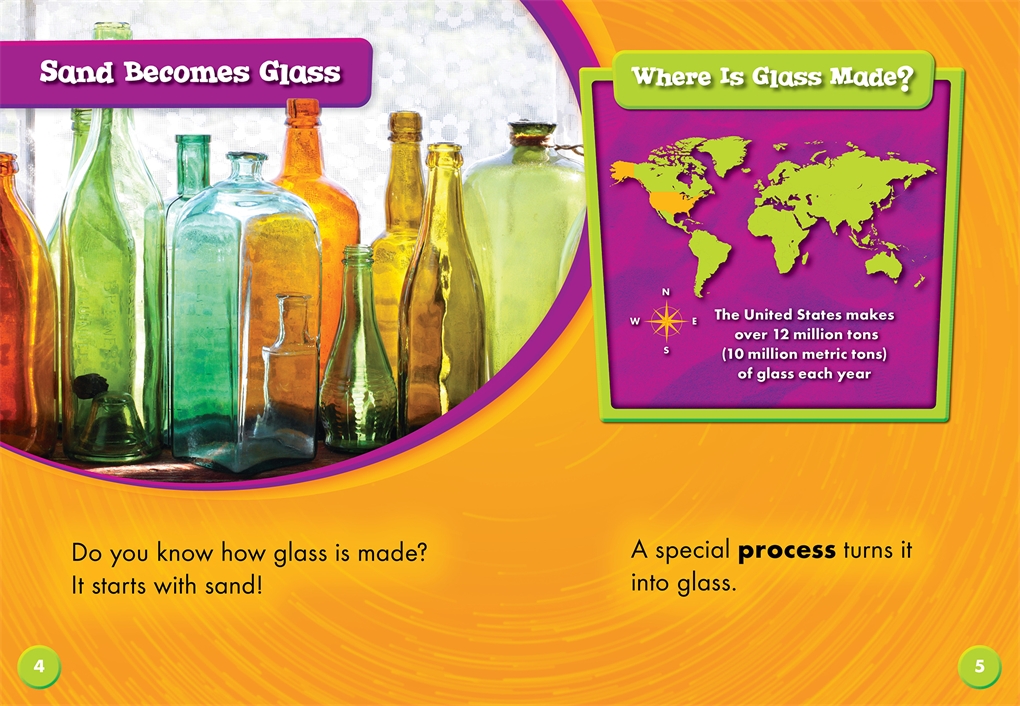
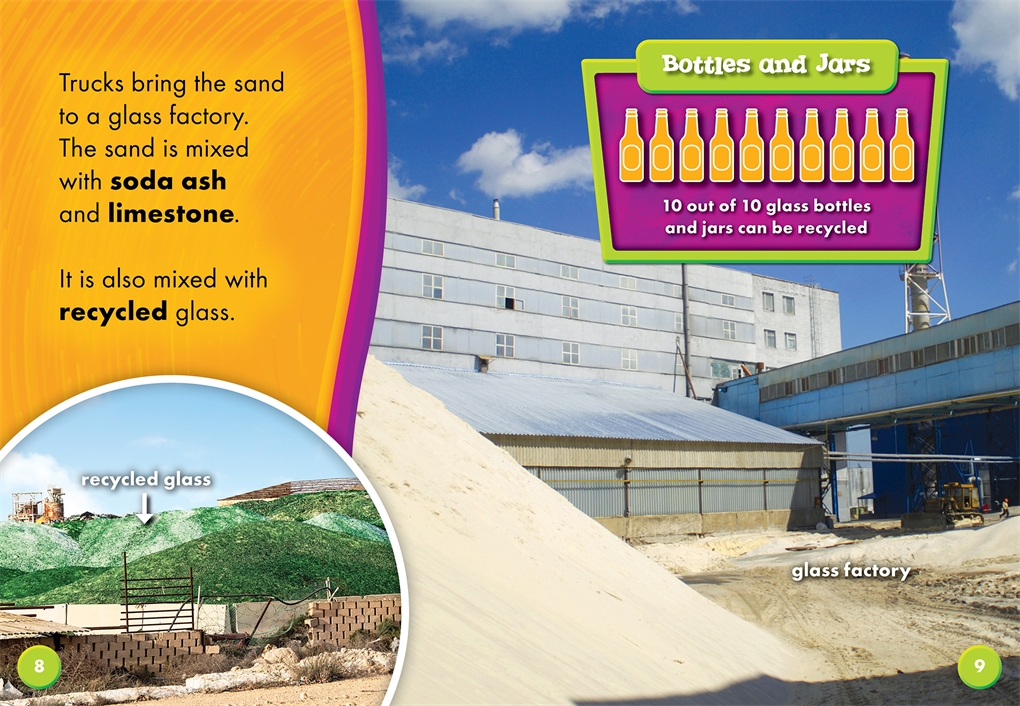
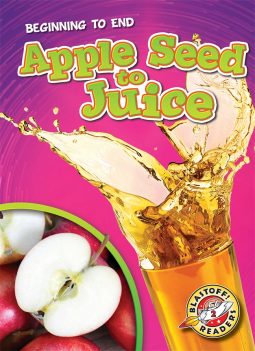
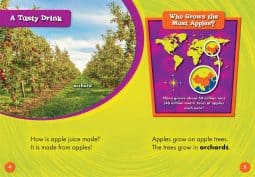
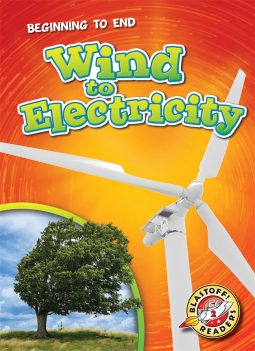
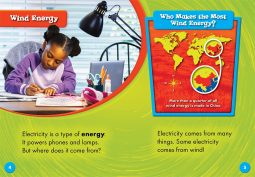
'These new books in the Beginning to End series are level 2 readers that follow the process by which a common product is made. Apple Seed to Juice covers both the life cycle of the apple tree, including grafting and pollination, and the process of packaging apple juice in factories. Sand to Glass tracks how sand is harvested, heated, and turned into a variety of glass products. Unlike the other books in the series, Wax to Crayon follows a branded item—Crayola crayons—through their production process. Wind to Electricity focuses on the idea of energy, including renewable energy, and the tools used to convert other kinds of energy to electrical energy. Although the text is very concise, with one to three short sentences per page, it contains a number of higher- level words related to the topic, which are defined in the glossary. Large photos on every page show steps of the featured process, the materials it requires, and its results. A world map highlights a location where the process is used, and a production flow chart near the end of the text summarizes the major points. A glossary, a list of books and online resources, and an index round out the back matter.', Miriam Aronin, Booklist,'In this series, the reader learns the steps of producing something from the beginning to the end. These non-fiction books are important for readers to better understand how things we have in everyday life are created through processes (i.e. glass, apple juice, electricity, and crayons). These non-fiction books include numerous non-fiction text features to support the reader in understanding the important facts in the book. Some non-fiction text features included in each book are engaging photographs, a table of contents, labels, headings, bold-faced words, a diagram, a glossary, and an index. These books are a great introduction to students for understanding the steps in producing things.', Charity Nadrozny, 2nd Grade Teacher, Illinois, Educator Review,'"Sand to Glass" is a journey through a glass factory, where students can see the fascinating machines and equipment used in the glass making process. Part of a series that explains how everyday items are made, this book features photographs that vividly illustrate each step, making it both educational and enjoyable for students. The book includes several helpful text features, such as a table of contents, headings, labels, bold words, a glossary, a map, and an index. It's designed for primary students, with just 1-3 short sentences on each page. This book is an excellent tool for teaching students about processes. On page 19, it provides a simple diagram that recaps each step, making it easy to understand. I recommend adding this book to your library collection.', Ciera Henderson, South Sound Book Review Council, Washington,'“Sand to Glass” is a journey through a glass factory, where students can see the fascinating machines and equipment used in the glass making process. Part of a series that explains how everyday items are made, this book features photographs that vividly illustrate each step, making it both educational and enjoyable for students. The book includes several helpful text features, such as a table of contents, headings, labels, bold words, a glossary, a map, and an index. It’s designed for primary students, with just 1-3 short sentences on each page. This book is an excellent tool for teaching students about processes. On page 19, it provides a simple diagram that recaps each step, making it easy to understand. I recommend adding this book to your library collection.', Ciera Henderson, South Sound Book Review Council, Washington