South Sound Washington Book Review Council
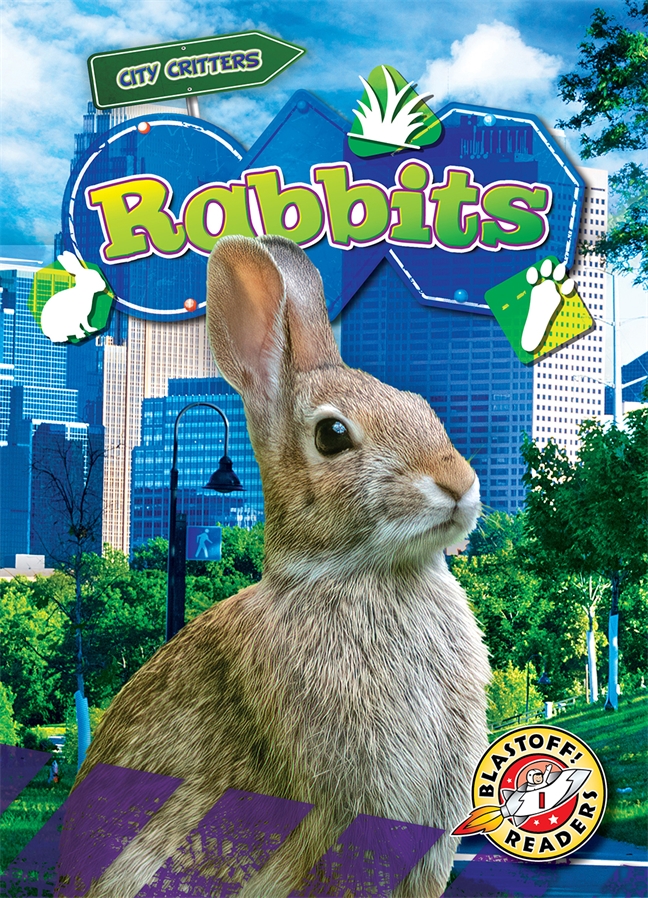
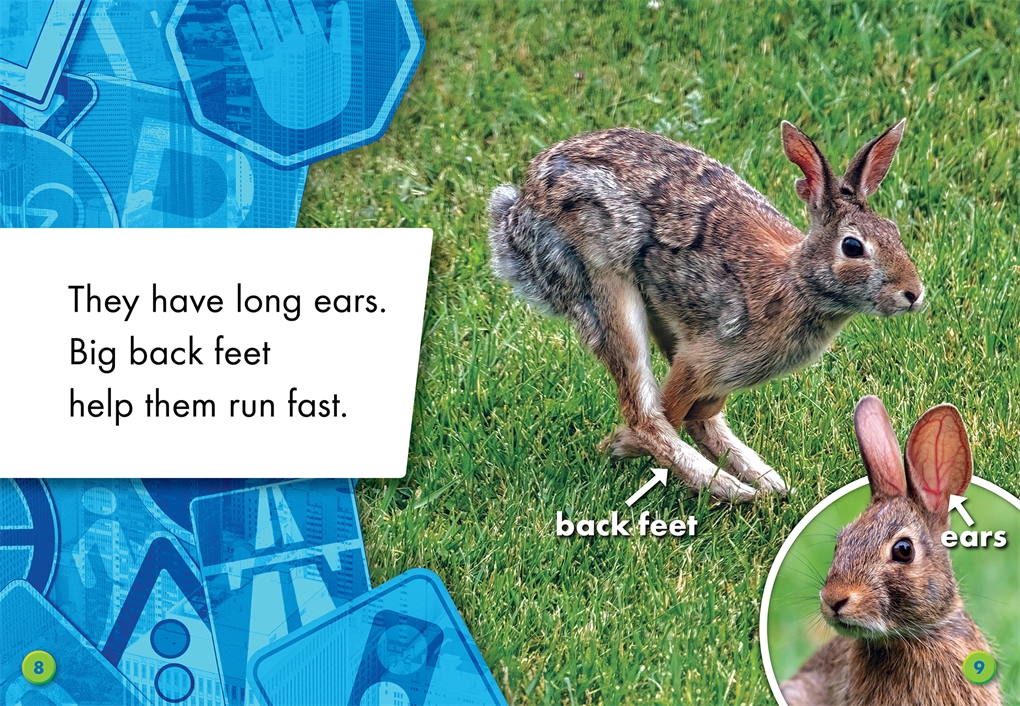
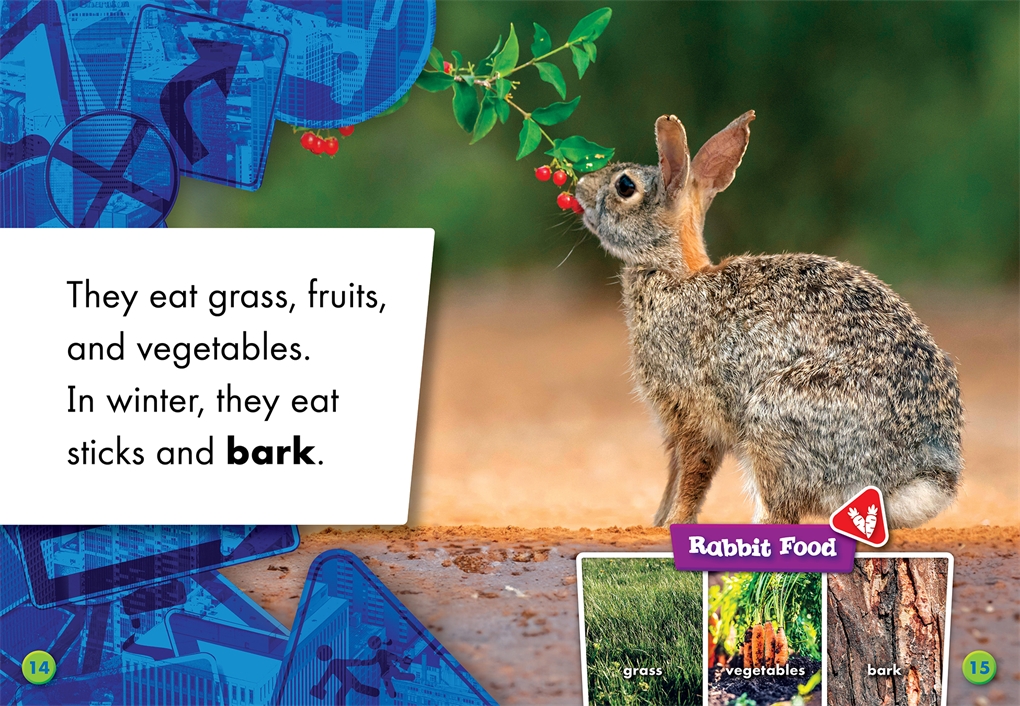
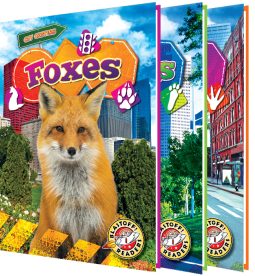
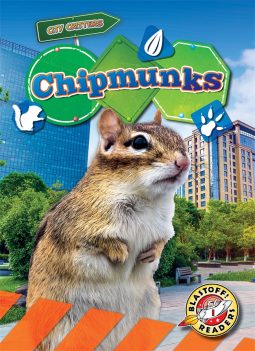
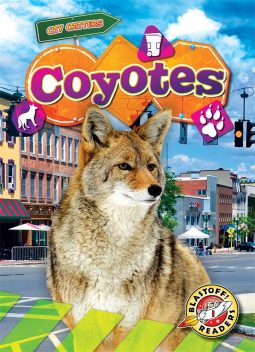
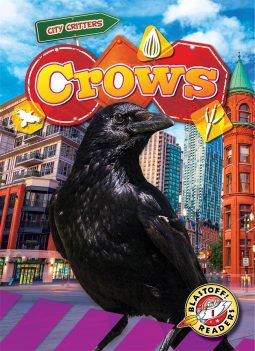
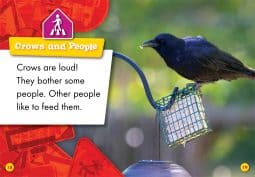
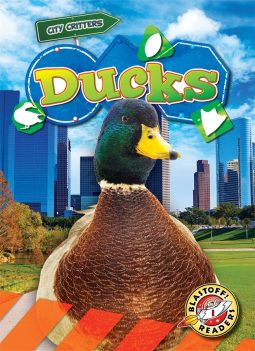
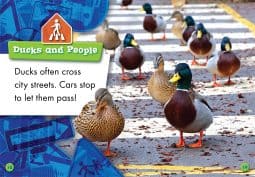
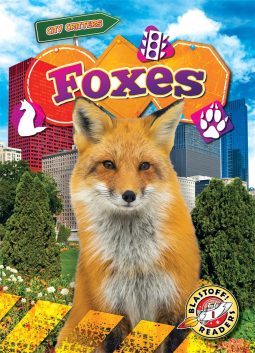
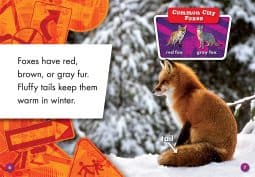
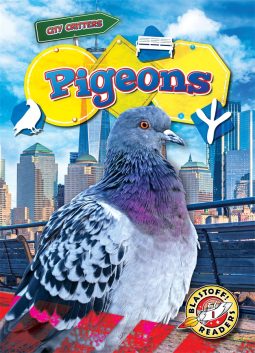
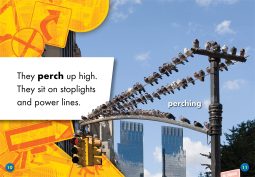
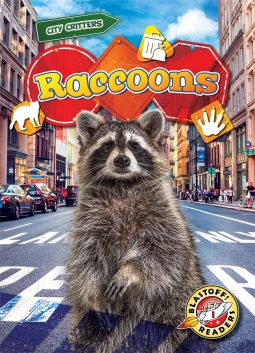
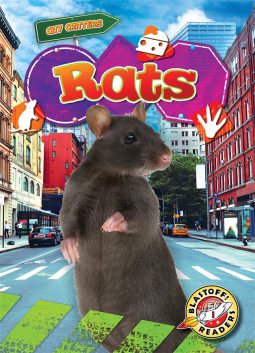
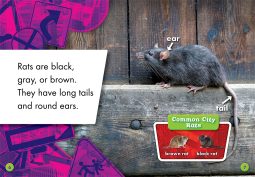
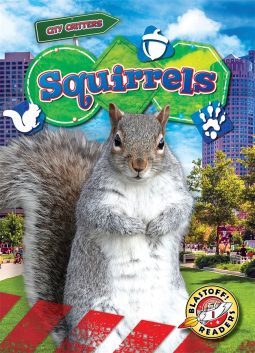
In this series, the reader learns about specific animals in each book that exist within cities. Each book begins with describing the physical traits of the animal and the types of food the animal eats in the city. The books describe the life of the specific animal in a city habitat, including places the animal lives and where the animal gets food. Each book shows that the animals living in the cities are appreciated by some people and are considered a nuisance by other people. As a teacher, these books are a dream for students doing research projects because the books are all aligned in the same format. Therefore, a teacher can work on non-fiction text features with students and use different books from the same series. This makes research projects more cohesive and easier to navigate for the young researchers. These non-fiction books include numerous non-fiction text features to support the reader in understanding the important facts in the book. Some non-fiction text features included in each book are engaging photographs, a table of contents, labels, headings, bold-faced words, a picture glossary, and an index. The real photographs of the animals are engaging to readers of all ages. Make sure you check out these books to learn more about city critters that may live by you!', Charity Nadrozny, 2nd Grade Teacher, Illinois, Educator Review,'These vibrant covered non-fiction animal books for early readers will be in high demand at the elementary library. These titles are six of ten in the Bellwether Blastoff! Readers Level One: City Critters Series. While these books are grade one level, many will enjoy the beautiful photography and clear writing contained within. They all have a Table of Contents and Chapters that are consistently the same in each of the books and thus, are helpful for emerging readers when reading many in the series. There are minimal words on each page. Some words are in bold. These are in a Glossary in the back of the book with helpful definitions. The end of the book also has basic facts, other book recommendations to read and learn more, an index, and web information on how to get more information at a simple reading level. Many will know these animals as they are common in many communities but these books give clear information on species and genus, where they choose to have their home and types of food they eat. I would highly recommend these books for any library that provides informational books for primary leveled readers.