Review
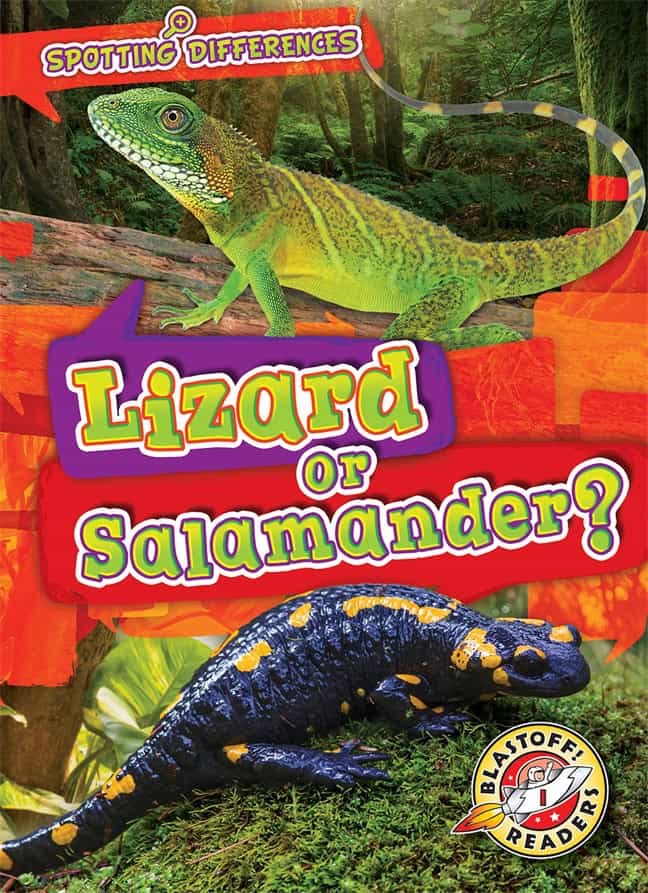
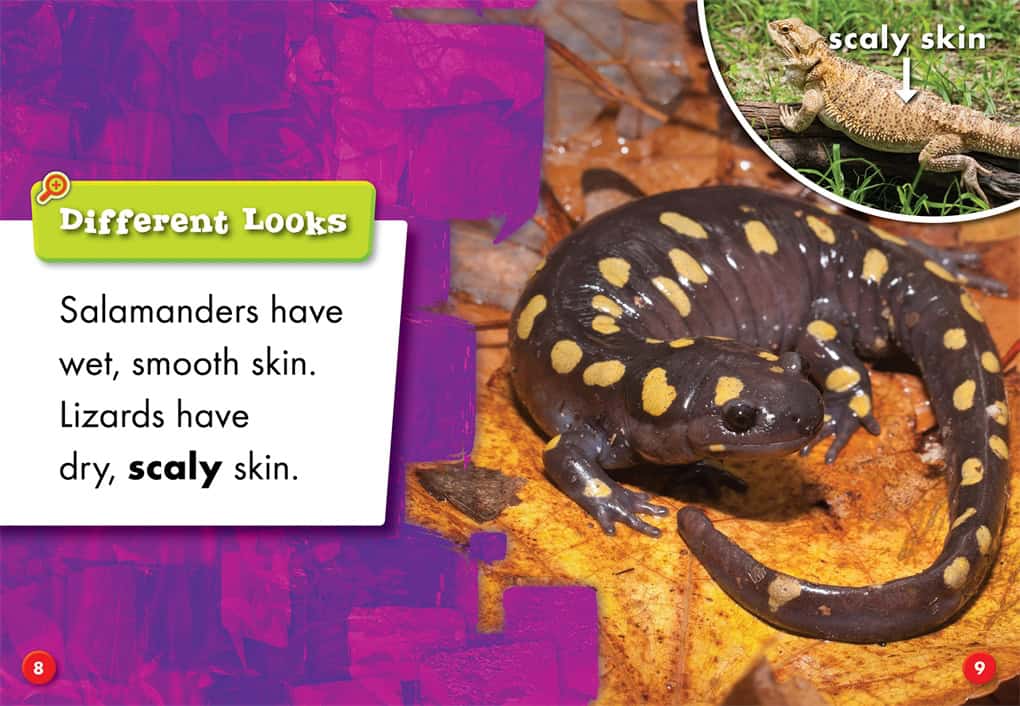
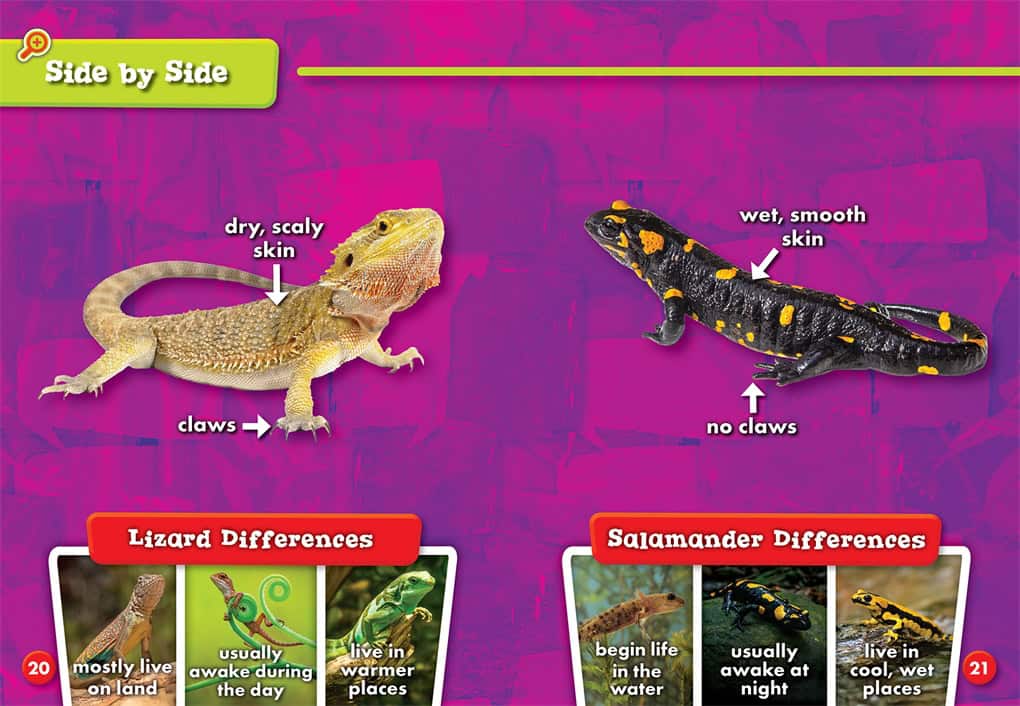
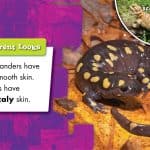
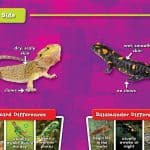
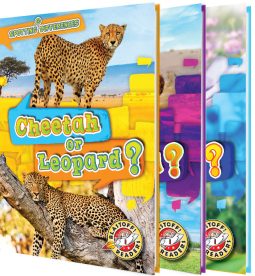
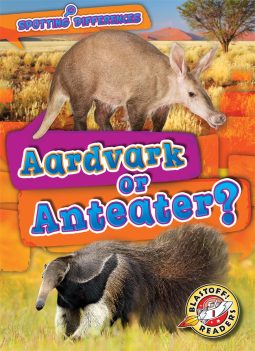
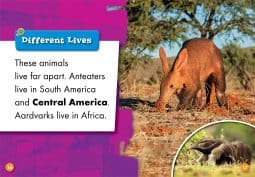
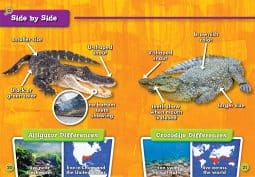
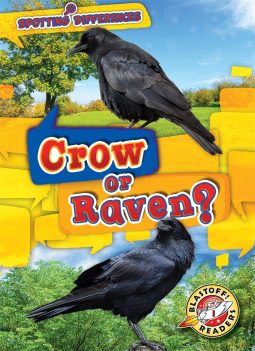
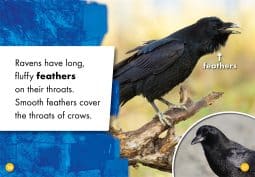
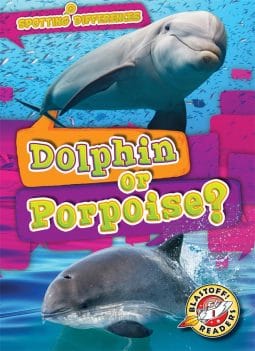
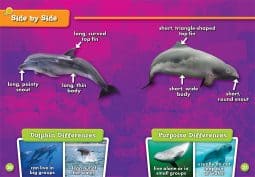
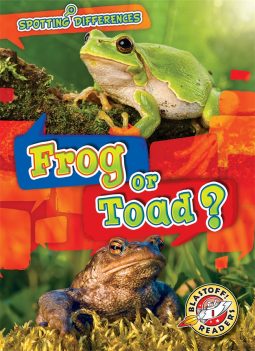
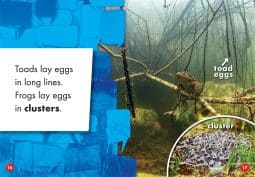
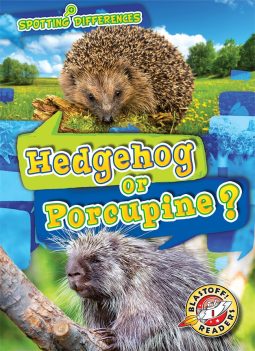
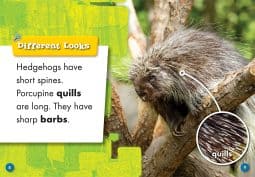
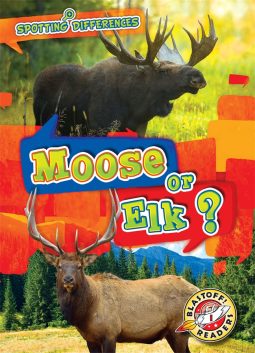
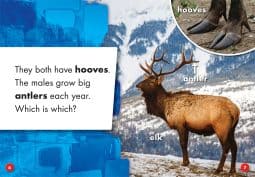
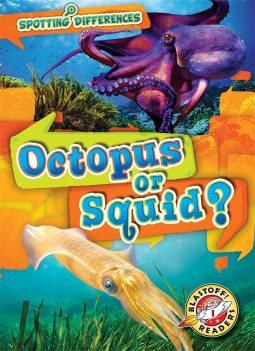
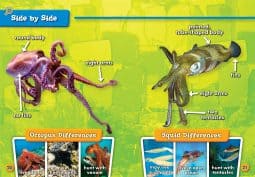
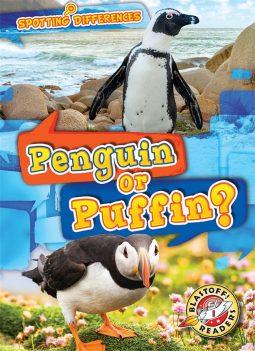
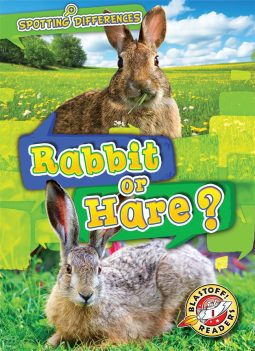
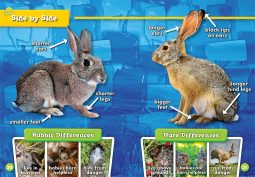
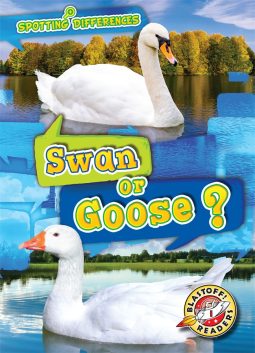
'The world includes many amazing and diverse animals. The Spotting Differences series book compares two different animals using colorful photos of animals in their natural habitats. The books compare and contrast the animals’ appearances, characteristics, and habitats. For example, in Aardvark or Anteater? the reader will learn that aardvarks sleep in burrows while anteaters sleep in trees or on the ground. Crow or Raven? reveals that crows often travel in groups while ravens often travel alone or in pairs. Dolphin or Porpoise? shows that dolphins and porpoises have different types of snouts. Lizard or Salamander? describes how salamanders usually appear at night and most lizards are awake during daylight hours. Each title has a side by side comparison with descriptive facts and bright photos for an engaging summary of what the reader has learned. In addition, each book includes a factual page and a picture which prompts the reader to guess which animal it is. A glossary, index, and more sources are provided so that readers can access more information about these fascinating creatures. The appealing visuals, the repetition of high-frequency vocabulary, and short sentences make this a perfect choice to engage any young reader.', Alana Jara, District Librarian, Clear Lake Community School District,'Blastoff! Readers Level 1: Spotting Differences series is a twenty book set that delves into the differences between animals. Each book focuses on a pair of animals and details physical and behavioral traits. Text is accessible to your newest readers and accompanying illustrations are high quality and engaging. Nonfiction text features include: table of contents, glossary, index and labeled diagrams. Unfamiliar words are in bold type and their differences are repeated at the end as a wrap up. Suggested websites and resources are noted for further investigation. Lizard or Salamander? looks at the differences between those organisms. Different physical features are noted like dry skin vs. wet skin and claws vs. no claws. Then, behaviors are compared. The reader also learns that lizards come out at daytime and salamanders are active at night. and each live in different places. Photos are clear and crisp and text is not dense. Give this to your new readers as the books have high interest content. These won’t stay on the shelves!', Candy Ranney, South Sound Book Review Council, Washington,'This nonfiction series for early readers has all of the features a high quality nonfiction book needs. Teachers and librarians will be able to teach and point out features such as table of contents, highlighted text, clearly labeled, accurate colorful photographs, paginations, glossary, and indexes while animal lovers and budding scientists read about their favorite topics. The well labeled photographs show side by side animal comparisons as well as teach facts specific to each animal. Easy text will give entry level readers the confidence to move ahead independently as they explore. Visually engaging online factsurfer.com directions teach students how to tie online research to the books they have read. This makes for a big win for engaging future scientists. Overall engaging series that would make a great addition to any library servicing young readers.', Lisa Zink, Elementary School Librarian, Educator Review