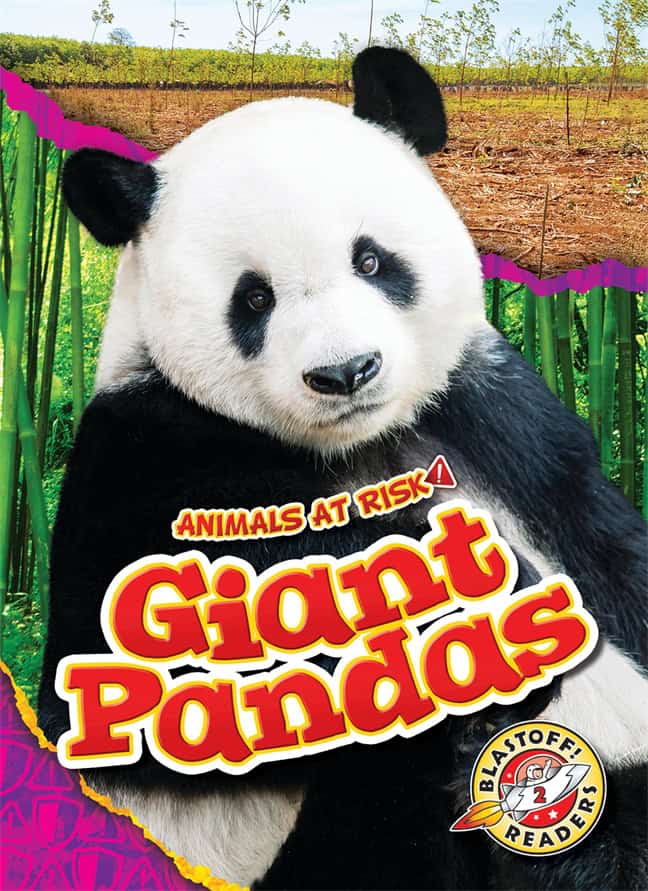
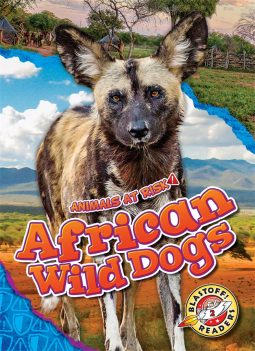
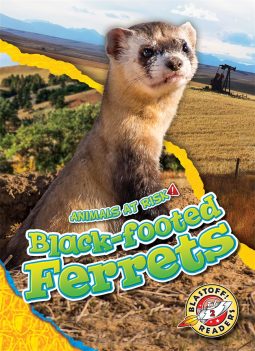
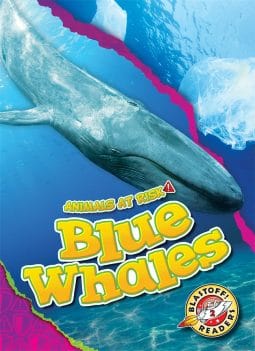
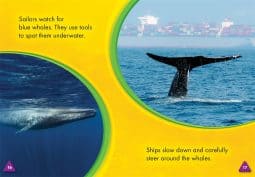
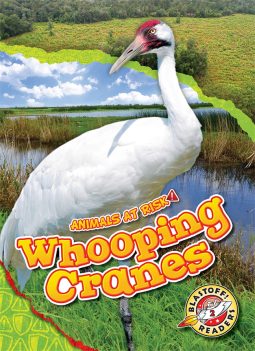
Review
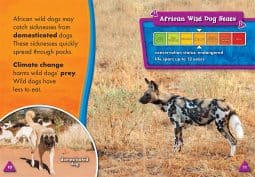
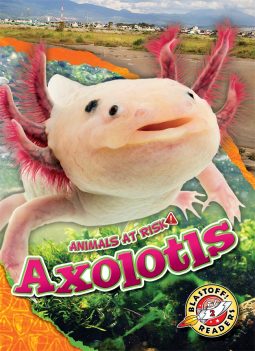
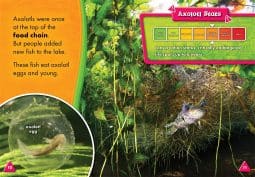
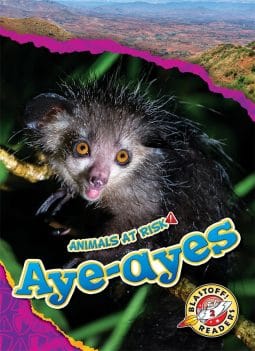
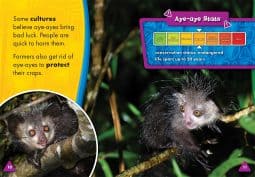
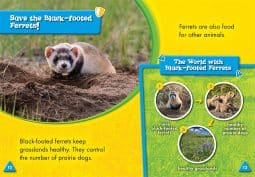
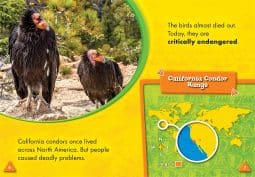
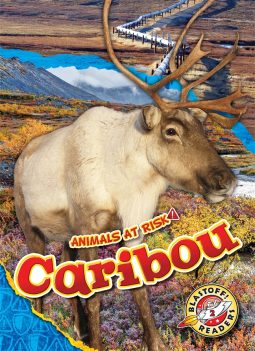
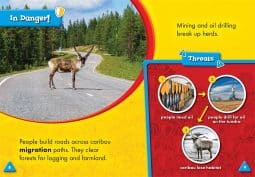
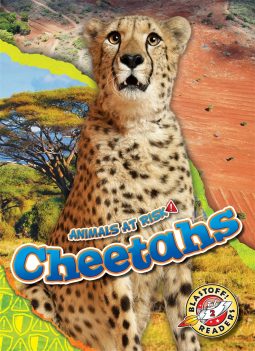
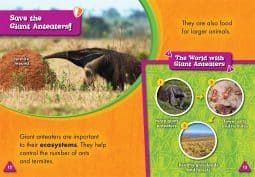
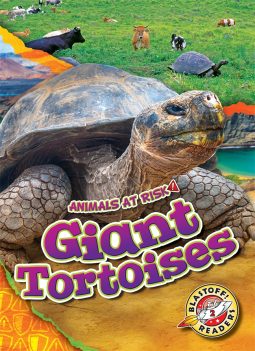
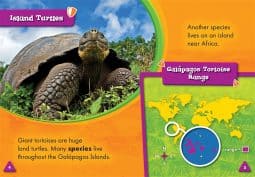
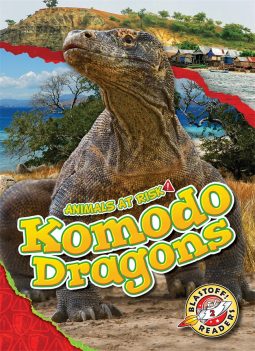
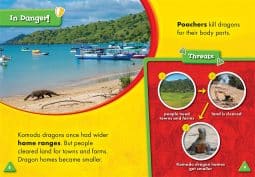
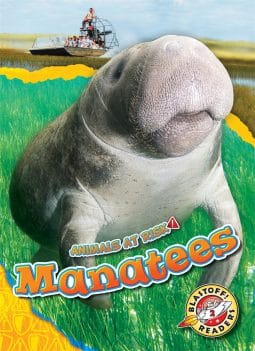
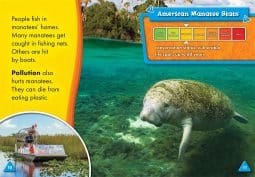
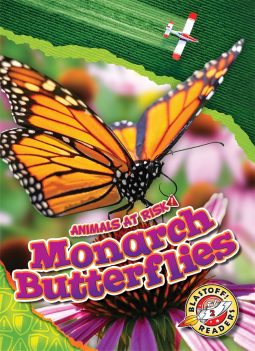
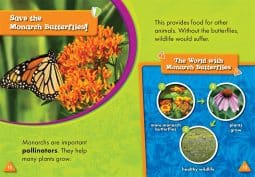
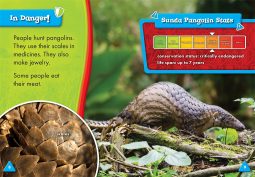
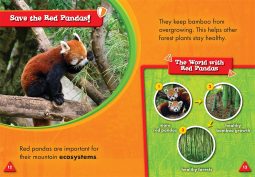
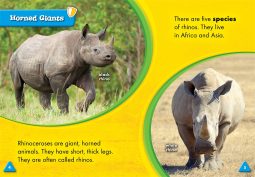
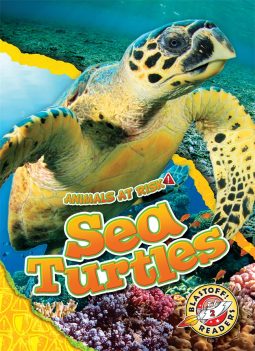
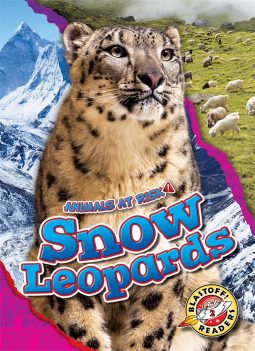
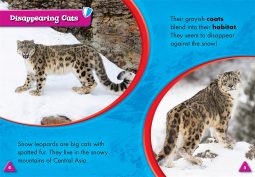
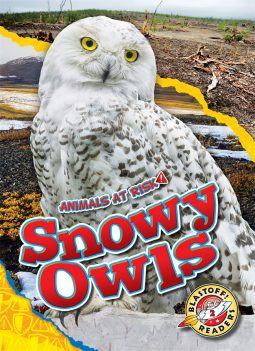
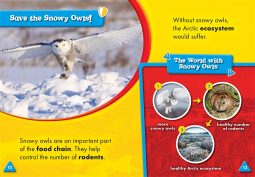
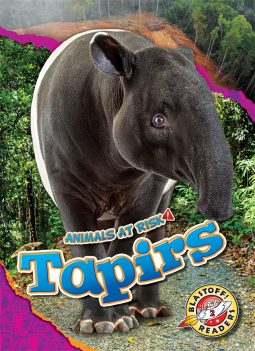
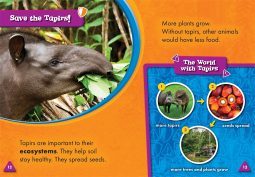
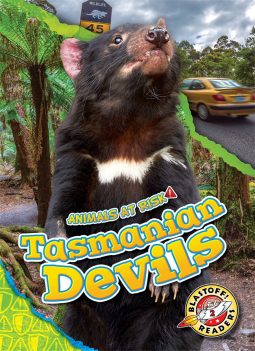
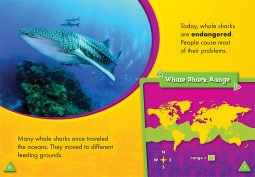
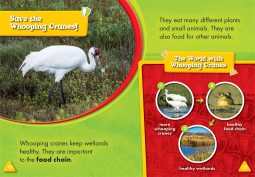
'These books make a hard topic such as endangered animals more accessible to students with lower reading levels. Sometimes talking about endangered animals can scare and confuse students but these books did a wonderful job of breaking each piece down so that it is easy to understand. I especially liked how the publishers included “cause and effect” visuals in each book. This can help students comprehend why an animal becoming extinct would harm more than just that animal. The photographs in this series are also incredible. Vivid colors and fun fonts make these books really appealing to young readers. I would recommend these books for any elementary or public library!', Jessica Mucci, School Library Media Specialist, Avon, New York School Districtt,'In this series, the reader learns about specific animals in each book that are ‘at risk’ of becoming extinct. Each book begins with describing physical traits of the animal and shows the reader where the animal lives on a map. The books give reasons as to why the animal is ‘at risk’, including a diagram of threats to the animal’s survival. Each book ends with giving the reader examples (and photographs) of how to help save the animal represented in each book. The author encourages readers to help save the animal and explains how each animal is important to our world. These non-fiction books include numerous non-fiction text features to support the reader in understanding the important facts in the book. Some non-fiction text features included in each book are engaging photographs, a table of contents, labels, headings, bold-faced words, a map, diagrams, a glossary, and an index. The beautiful photos of the animals in the wild are engaging to readers of all ages. Make sure you check out these books to learn more about animals ‘at risk’ and ways you can help keep the animals in our world.', Charity Nadrozny, 2nd Grade Teacher, Illinois, Educator Review,'This reviewer evaluated Tapirs which begins with an overview of the animal then explains where they live and what makes them unique. The second chapter delves into why they are endangered, followed by the third which covers why the animals are important, and finally what steps people can take to help save them from extinction. The back pages feature a glossary, list of books to learn more about the subject, directions to find more information on the internet, and an index. Colorful maps, charts, and tables are also found within the chapters giving succinct details for younger readers. THOUGHTS: My younger students love all of the Blastoff! Readers animal books, and this series is no different. With the colorful photographs and easy to read text, this series is a must-have for school libraries that want to update animal collection.', Rachel Grack, Pennsylvania School Librarians Association