School Library Journal
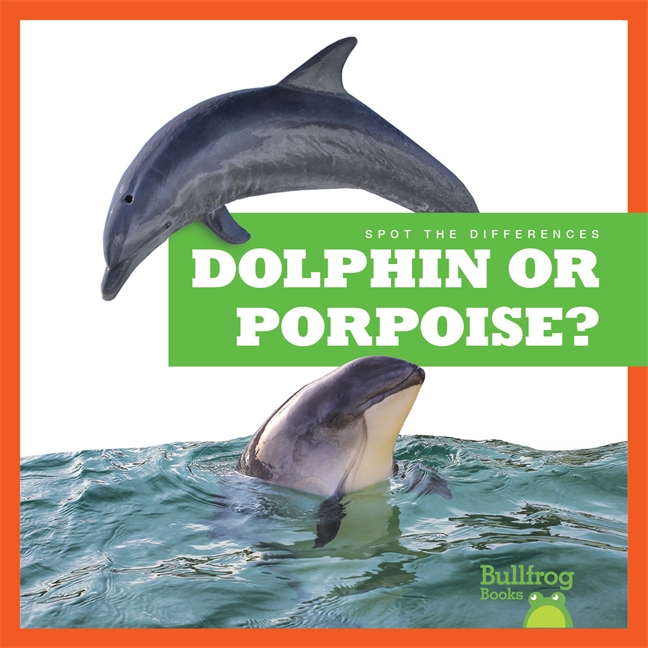
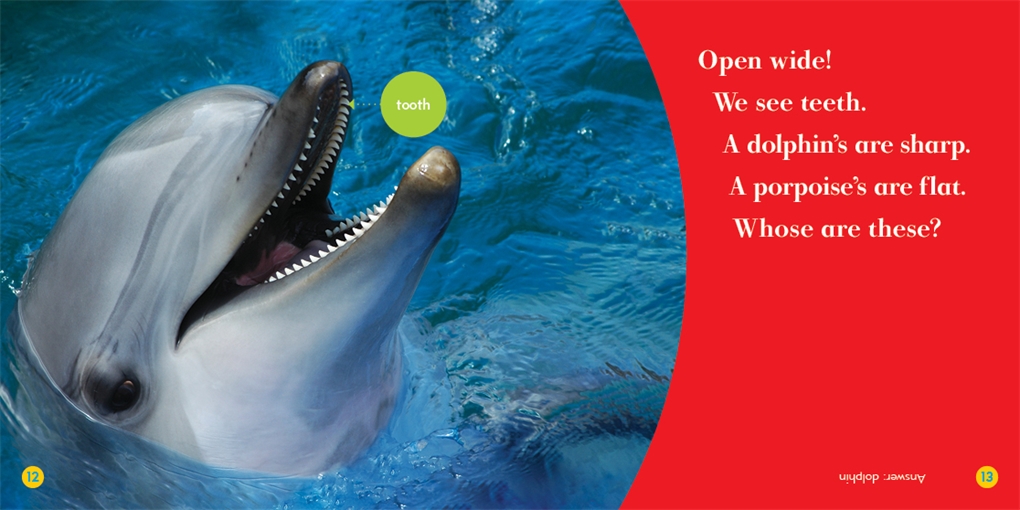
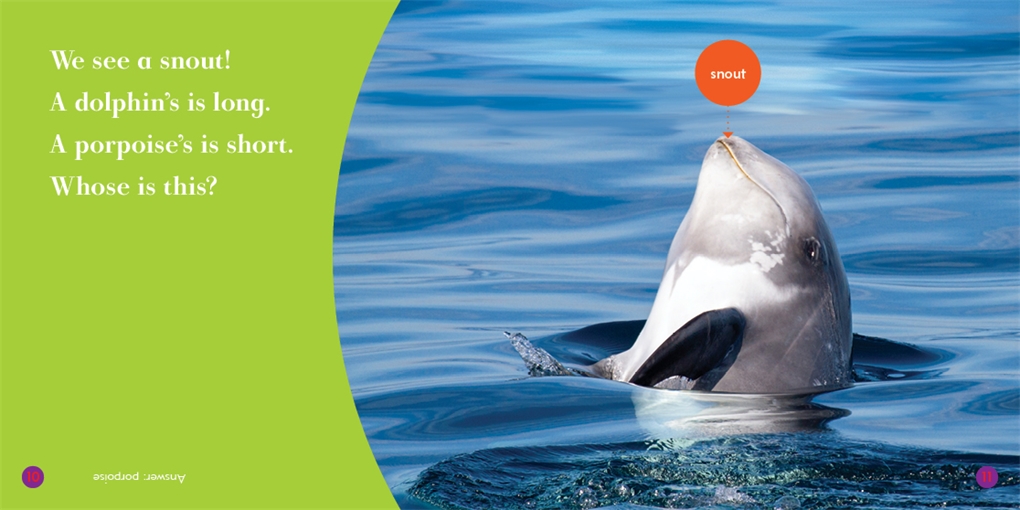
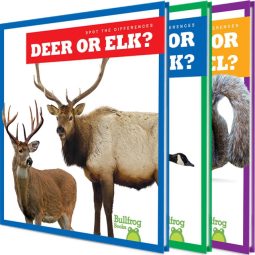
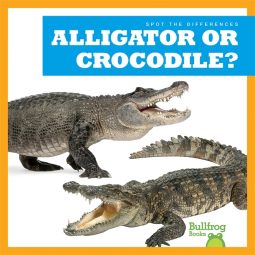
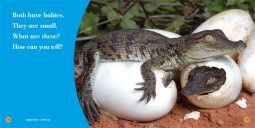
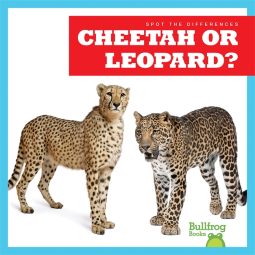
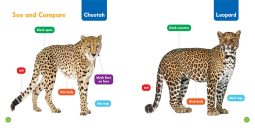
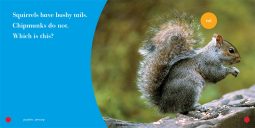
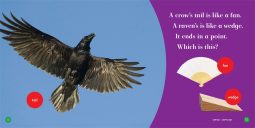
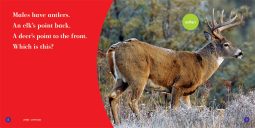
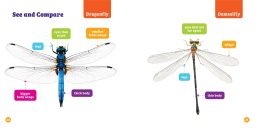
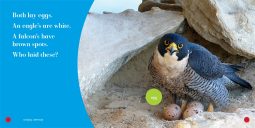
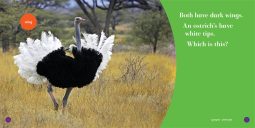
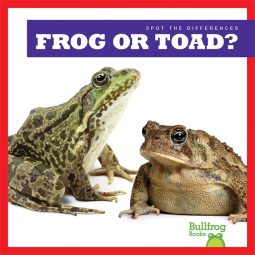
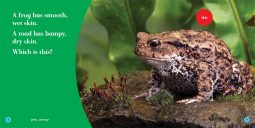
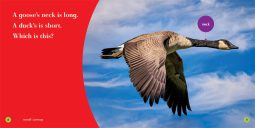
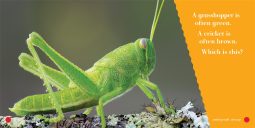
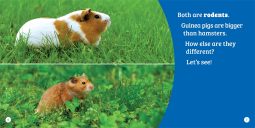
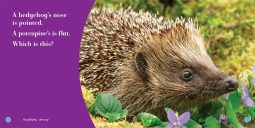
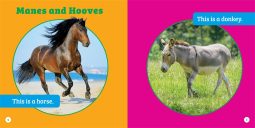
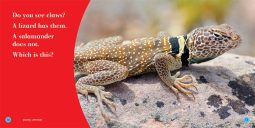
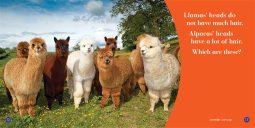
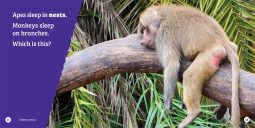
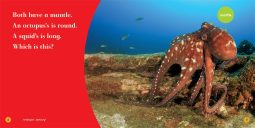
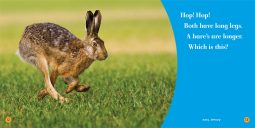
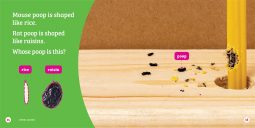
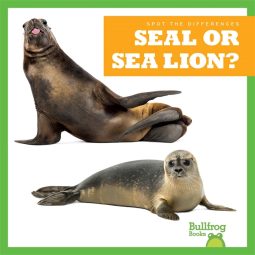
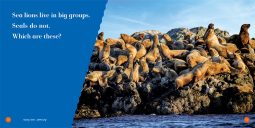
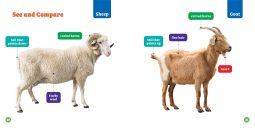
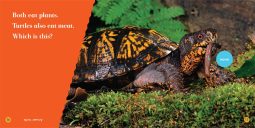
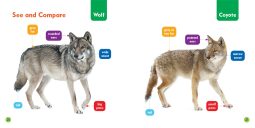
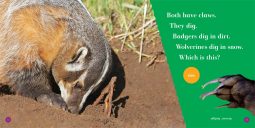
Engaging animal comparisons are presented in a question-and-answer format. Text provides simple facts about the two animals. Readers examine the accompanying photograph, then try to identify it based on the words and image: “A frog has webbed feet. A toad does not. Which is this?” (Frog or Toad?). The accompanying photograph shows a frog with its webbed hind feet in clear view. Answers appear in smaller print, upside down, at the bottom of the page. Sentence length and structure are generally appropriate for early readers; harder vocabulary words, such as “rosette” in Cheetah or Leopard? and “fringe” in Alligator or Crocodile? are defined in a picture glossary. Eye-catching photos do an excellent job of showing the physical features highlighted within the text. A closing “See and Compare” spread shows both animals with captions to identify key physical features, reinforcing the earlier learning. VERDICT Visually appealing books that successfully foster observation skills and animal knowledge.
Pennsylvania School Librarians Association (PSLA)
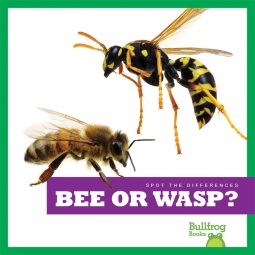
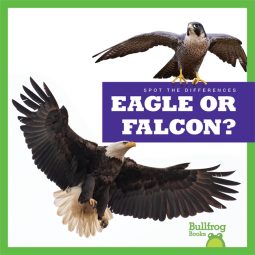
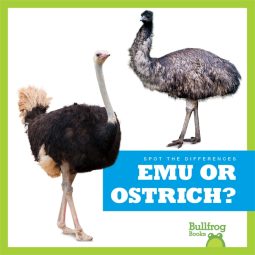
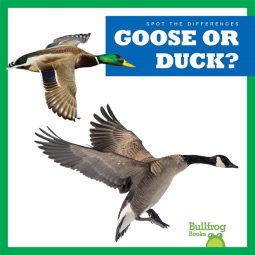
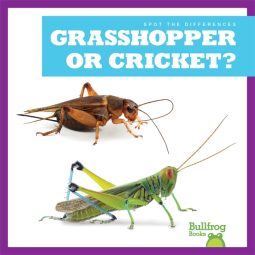
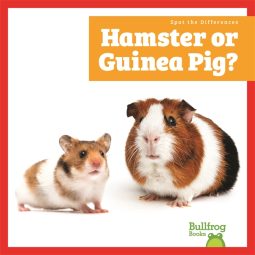
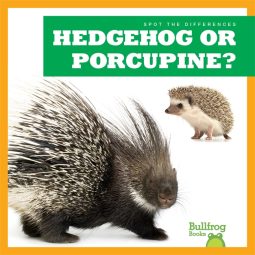
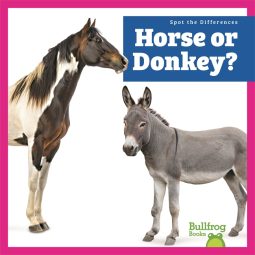
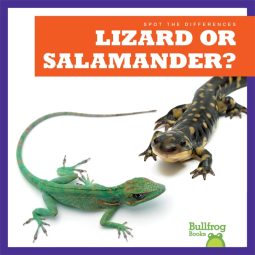
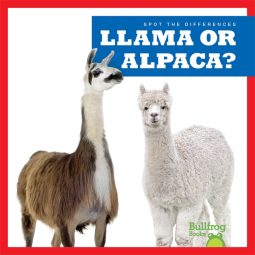
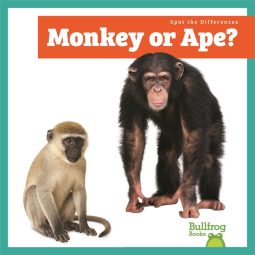
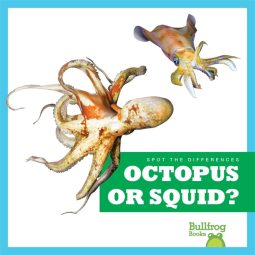
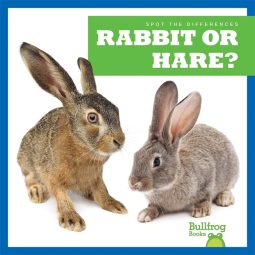
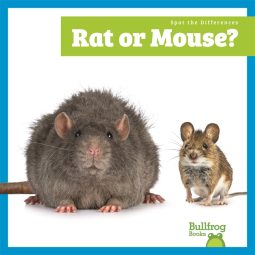
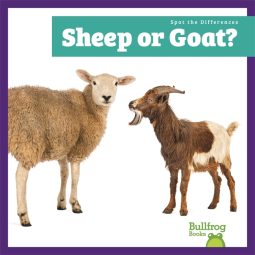
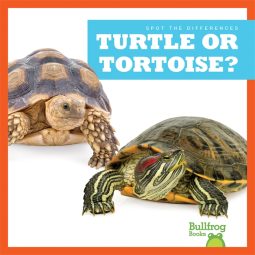
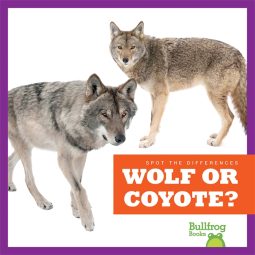
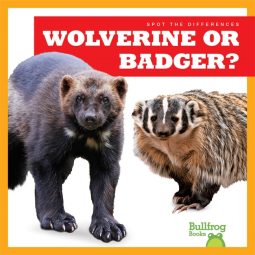
If you are looking for a nonfiction series that invites students to slow down, look closely, and truly engage with informational text – the Spot the Differences series from Bullfrog Books does exactly that. These high-interest titles use side-by-side photographs to challenge readers to notice small but meaningful differences between animals, turning close reading into an interactive experience. Beyond the fun, this series is an excellent introduction to nonfiction text features. Students practice using photographs, captions, labels, and headings to gather information and make observations. The visual comparisons naturally support skills like attention to detail, comparing and contrasting, and drawing conclusions, all while reinforcing that nonfiction texts can be read actively—not just front to back. The clear layout, simple sentences, and strong visual support make this series especially well-suited for emergent readers, early elementary students (K–2), and developing readers who benefit from visual learning. These books also work well for ESL students, small-group instruction, or independent exploration.The Spot the Differences series includes 22 books in the series. Overall, it’s a smart addition to any elementary library collection—combining visual literacy, nonfiction text feature practice, and just the right amount of challenge to keep young readers engaged and confident.', Heather Slater, South Sound Book Review Council, Washington,'Spot the Differences is a book series that takes two similar animals and teaches the reader how to tell them apart. The books use colorful pictures of each animal, as well as charts to help the reader tell them apart. The books are clearly laid out, and each one follows the same format. There is a table of contents in each, as well as a picture glossary. There is also an index as well as some ideas for parents and teachers of how to best use this book. THOUGHTS: Overall, this is a great book to introduce these animals, or to introduce the idea of compare and contrast. Great addition to any elementary school library collection.