School Library Journal
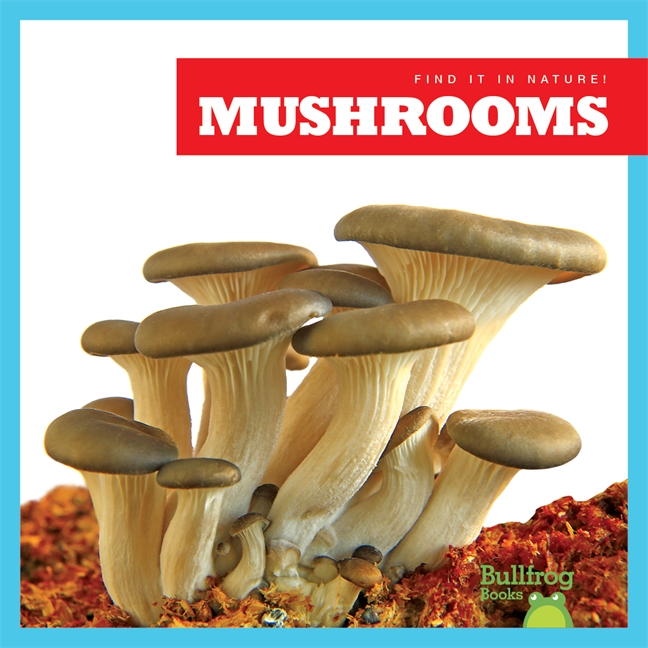
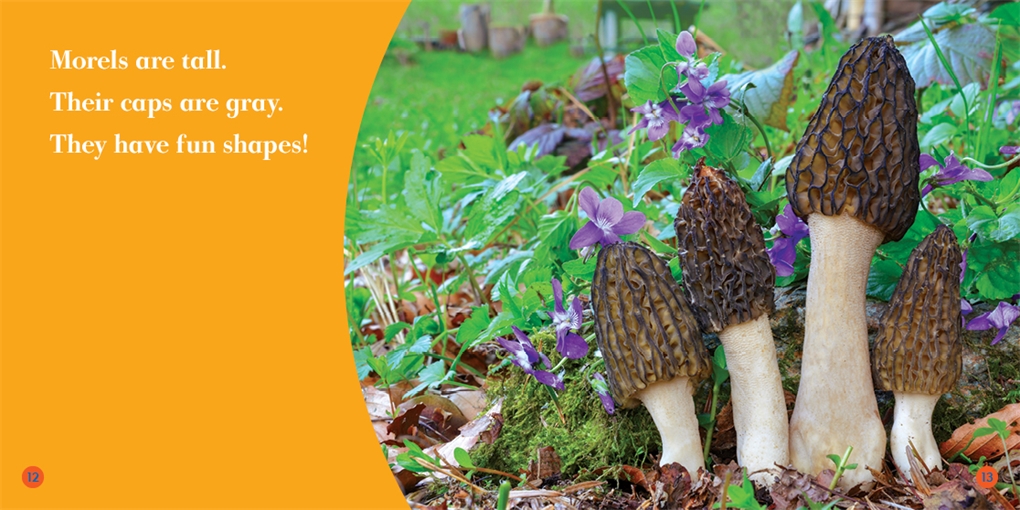
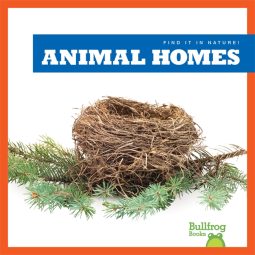
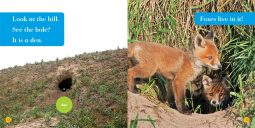
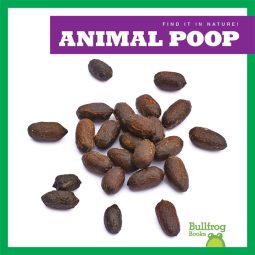
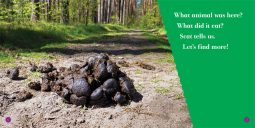
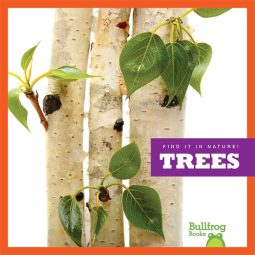
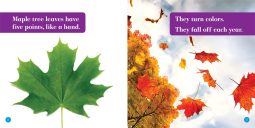
Young readers will discover a simple introduction to beautiful and often edible fungi in this entry in the Find It in Nature! series (4 titles). Beneath a heading of “Hunting Mushrooms” comes an enticing variety of ordinary and fancifully named mushrooms, including white button, chanterelle, morel, puffball, and chicken of the woods. Readers are warned not to taste wild mushrooms and particularly to avoid poisonous fly agarics, with their classic red caps and white dots. A typical double-page spread contains two to four short sentences, printed in a large font, and one or two striking full-page stock photos. The book is ready for academic use: its front matter includes half a page of instructions for parents and teachers, and the back matter features a matching game, picture glossary, and index.', Miriam Aronin, Booklist,'Well-chosen photos and simple descriptions introduce nature identification at its most basic level. Spreads offer one or two facts that identify key features of the organism. In Trees, a large photo of the tree is paired with a close-up view of its leaves, needles, or bark, while the text highlights key features, such as the five points of a maple leaf or the birch’s white bark. Most of the narrative addresses physical characteristics that will aid identification. A closing spread includes a brief picture glossary and a useful review page where readers are challenged to match the item to a spot illustration. Nature enthusiasts will require more information as they get older, but these books introduce the beginning components of identification in an appealing presentation that is just right for the youngest learners. VERDICT Appealing and practical nonfiction for emerging readers.–Steven Engelfried