Review
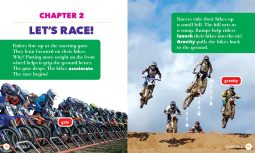
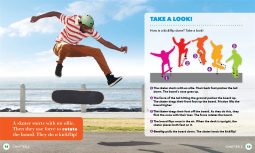
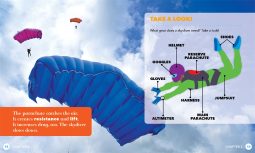
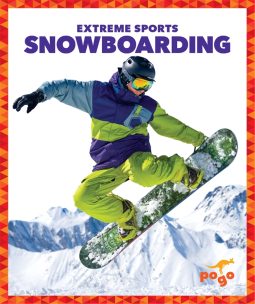
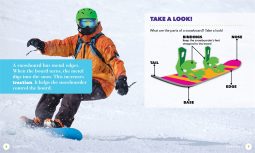
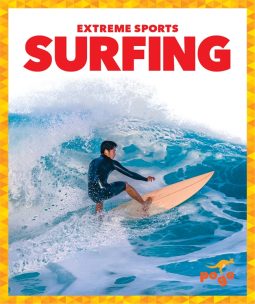
'These offerings from the Extreme Sports series blend exciting athletic feats with the physics behind them. Although the books are written in brief paragraphs and short sentences appropriate for beginning readers, the simple text acts as a vehicle (often involving literal vehicles!) to introduce fairly sophisticated scientific concepts and vocabulary. Technical terms often contrast with the competitive aspect of these extreme sports. Motocross discusses how friction, gravity, and momentum affect the racing motorcycles’ movement. Skydiving tells how gravity and drag balance into the terminal velocity at which divers fall. Friction, momentum, and gravity are important in their own ways in Snowboarding. Surfing also discusses gravity, which is balanced by buoyancy to cause flotation. Well-chosen, action-packed stock photos and occasional diagrams add interest and help explain the scientific concepts. Like many nonfiction series, these books include several features designed for instructional use. Each book begins with reading tips for parents and teachers. It concludes with an activity to illustrate one of the scientific concepts in the book (such as using a water bottle to demonstrate angular momentum or building a model parachute to show the concept of drag), a glossary defining the scientific terms used in the text, an index, and instructions for using the factsurfer.com website to search for more information online.', Miriam Aronin, Booklist,'The Extreme Sports series is an exciting and informative collection that combines high-energy action with real-world connections. Perfect for young readers, these titles introduce the science and design behind while also highlighting the athletic skills needed for these sports. Readers will enjoy learning how different athletic equipment works together, and how principles of motion, balance, friction, and force help riders master daring stunts. Each title is filled with engaging, full-color photographs that capture athletes in action, making the science come alive. Readers will be engrossed in the picture of the Superman trick featured in the BMX book. Motocross describes the whoop section of a race course, which is a row of bumps that the racers ride their bikes on. Science plays a big part in extreme sports: like learning how to use less friction to make tricks easier in Skateboarding. Skydiving showcases some of the amazing facts about the sport: as of 2024 the largest formation of skydivers included 400 people! Snowboarding features the amazing Olympic sport and explains the different moves such as the handplant. Surfing includes a fantastic diagram of how surfers can catch a wave in four steps. In addition to teaching science concepts, the book emphasizes the importance of safety gear and responsible riding. A safe search option connects students with age-appropriate websites for further exploration, while tools like a glossary, index, and table of contents support developing research skills. Overall, this series is a thrilling blend of action and education, sure to inspire readers who love both science and sports.', Alana Jara, District Librarian, Clear Lake Community School District,'Every library can use more books about sports and this set is full of unique activities that may be harder to find at a reading level for emerging readers. The photographs are appealing and vibrant and thus lower level readers will also improve their reading level with these titles. Each book is organized the same way with beginning chapters explaining different ways athletes do the sport and what equipment they use. Chapters also explain parts of the equipment and how one stays safe doing the activity. What makes these books more interesting is that there are scientific explanations on how one does the activity successfully including the use of: physics, gravity, absorbing of energy, momentum, etc. The final pages of the book also have a glossary and an index but in every book there is a science activity that can be easily done to better explain the science of the sport. I would particularly recommend these for intermediate/elementary level but they could also become very popular at the lower middle school level as well.', Midge Livingston, South Sound Book Review Council, Washington