Library Media Connection
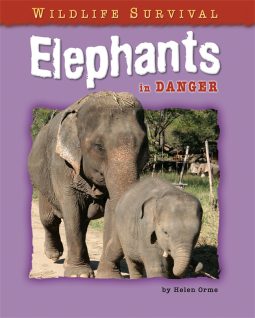
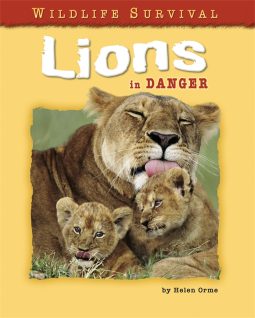
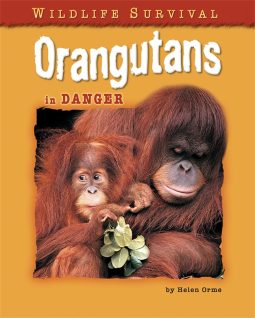
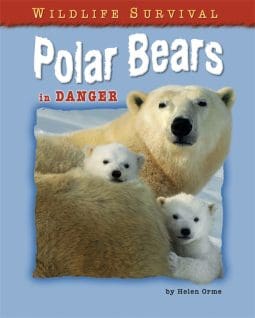
Each book begins with a table of contents. Each page has at least one photograph of the animal in its natural habitat and an interesting fact about them on every other page. The reader first gets to know the animals and how they live in their natural habitat, followed by reasons the animals are in danger, and how people are helping them. The text is interesting to read, yet the sentences are short and easytounderstand. Vocabulary words are in bold print and defined in the glossary. The last few pages, Just the Facts, include a map showing where the animals live and more information about their bodies, food, and why they are in danger. A conservation page tells what is being done to help them survive followed by a page explaining what children can do, including Web sites to visit. Index. Recommended.
School Library Journal
These visually appealing books provide information about their respective animals and the threats to their survival. . . Each spread usually includes a stunning fullcolor photograph of the animal in its natural habitat and a box of additional facts. The photographs are the highlight of the books. Each volume concludes withJust the Facts, several pages of additional information, includingIn Danger andConservation. The tips are generally the same in each volume and range from learning about the animal to raising money for a conservation group. Consider these as additional purchases if your curriculum focuses on conservation.