Library Media Connection
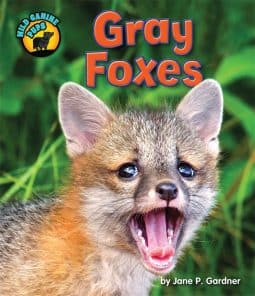
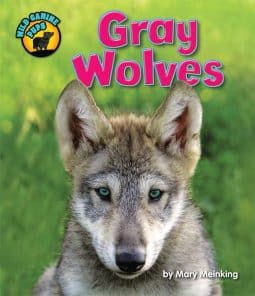
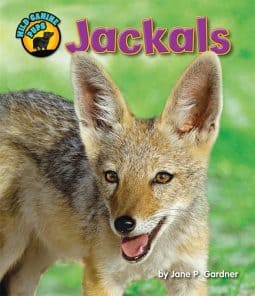
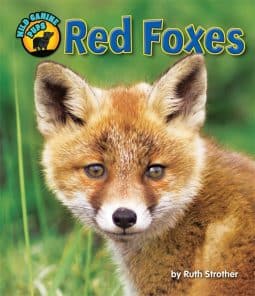
Written in large text with simple sentences and bolded vocabulary, this series will delight young learners with answers to the questions they frequently ask about wild animals. With its focus on the young in each species, the series features captivating color photographs on each page, enhanced with labels, maps, and graphs that are visually appealing to primary grade students. Readers will find out habitats, life cycles, diets, and descriptions of each animal.Nonfiction features such as an illustrated glossary and see also references are excellent for teaching information literacy skills to emergent readers.
School Library Journal
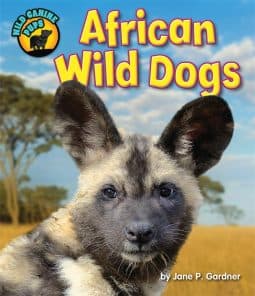
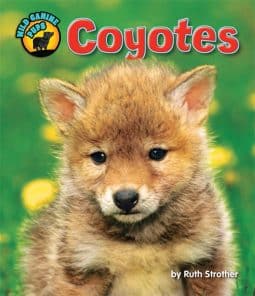
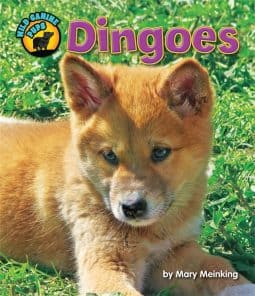
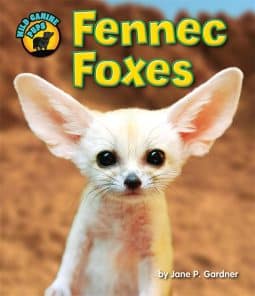
The lives of eight wild caninesfrom birth to adulthoodare introduced in these accessible titles. The texts are comprised of short sentences set in a large font. While most of the young ones are adorable, only the fennec foxes retain their endearing quality through maturity. In contrast, adult African wild dogs, dingoes, and jackals can be scary looking. Bright color photos, many fullspread, dominate the pages. Some shots border on graphic. For example, one photo shows a coyote parent carrying a dead rabbit and another presents an African wild dog with a bloody carcass in its mouth. Each volume offers a size comparison between the subject and a human adult and child and a map that shows where the species live. Side boxes enhance but do not interrupt the texts. Picture glossaries conclude every book. Perfect for beginning readers, novice report writers, and browsers.