Booklist
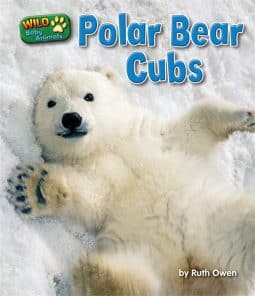
[A] good deal of care has gone into the presentation of the Wild Baby Animals series. Organized by twopage chapters, the books use simple, explanatory text to detail the size, geographical location, description, birth, home, and foraging habits of each animal. Bright photos of the (mostly) adorable beasts cascade across the glossy pages - ”boldface vocabulary words are often connected with arrows to corresponding images - ”and the whole package is contained within a small, easytohold format. Polar Bear Cubs gets plenty of mileage out of shots of the brighteyed cubs being silly, though there is one moresobering image of an adult polar bear dragging a dead seal. Raccoon Cubs divides its time between forest and urban landscapes, showing how the inquisitive scavengers survive on fish in the wild and spilled garbage in the city. Skunk Kits introduces the striped or spotted catsized mammal as well as its unique defense mechanism (Liquid comes out of here). The map in Squirrel Kits illustrates the worldwide reach of squirrels, and their intelligence is proven by their ability to bury food for winter retrieval. A wonderful picture glossary that reiterates vocabulary words highlights each title's back matter.
The Horn Book Guide
Titles in this smallformat series offer very basic facts about the habitats, diets, and traits of mammal babies - ¦ Clear and engaging photographs include some images of newborns, of nursing juveniles, and of the title animals' prey. Each volume includes a small habitat map and a size comparison graphic (human child and adult to adult creature).