From the series Drip, Drip, Drop: Earth’s Water
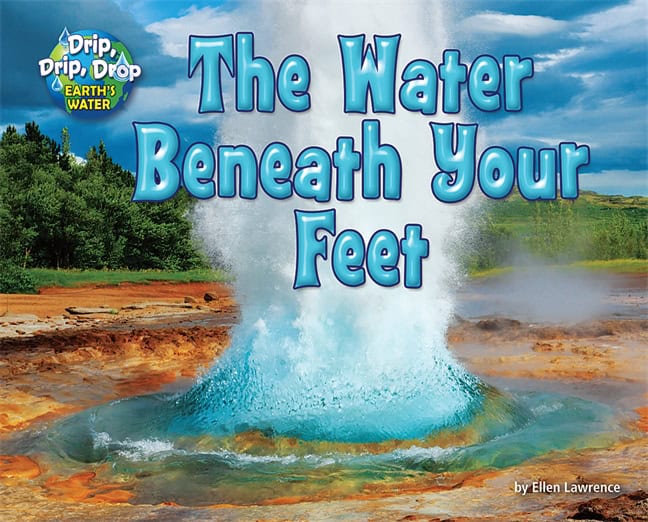
The Water Beneath Your Feet
Reading Level Grade 2Interest Level Grades K – 3Copyright 2016
Reviewed From the series Drip, Drip, Drop: Earth’s Water
Reading Level Grade 2Interest Level Grades K – 3Copyright 2016
ReviewedOn a rainy day, water soaks into the soil. It splashes onto sidewalks and trickles down tiny cracks in the concrete. Where does it go? Deep beneath our feet! We can’t see Earth’s groundwater, but just like the water on the surface, it’s trickling, rushing and moving from one place to another. It’s also used as a source of precious fresh water. Readers will learn all about groundwater, including: How does water get into the ground? How does underground water end up in rivers, lakes, and oceans? How do people build wells to access groundwater? And how does groundwater bubble up to the surface to create an oasis in a hot, dry desert? Filled with information perfectly suited to the abilities and interests of an early elementary audience, this colorful, fact-filled volume gives readers a chance not only to learn, but also to develop their powers of observation and critical thinking. With its stunning photographs and surprising, high-interest facts, this book makes learning about water an engaging experience.
This wideformat book from the Drip, Drip, Drop: Earth's Water series focuses on groundwater. Presenting topics such as the movement of water underground, geysers, and pollution, each twopage spread follows the same basic layout, with several largeprint sentences, one or two small text boxes, fullpage art, and one or more smaller images. The colorful illustrations, primarily photos from varied sources, are pretty good. The most valuable images offer cutaway views showing water trickling down through layers of earth, moving underground, and collecting in aquifers. While the amount of information on each topic is limited, it is clearly presented. TheMake Your Own Aquifer page offers a simple handson activity. The book's unusual focus on a single aspect of the water cycle makes this a useful resource for the classroom.
Booklist