Booklist
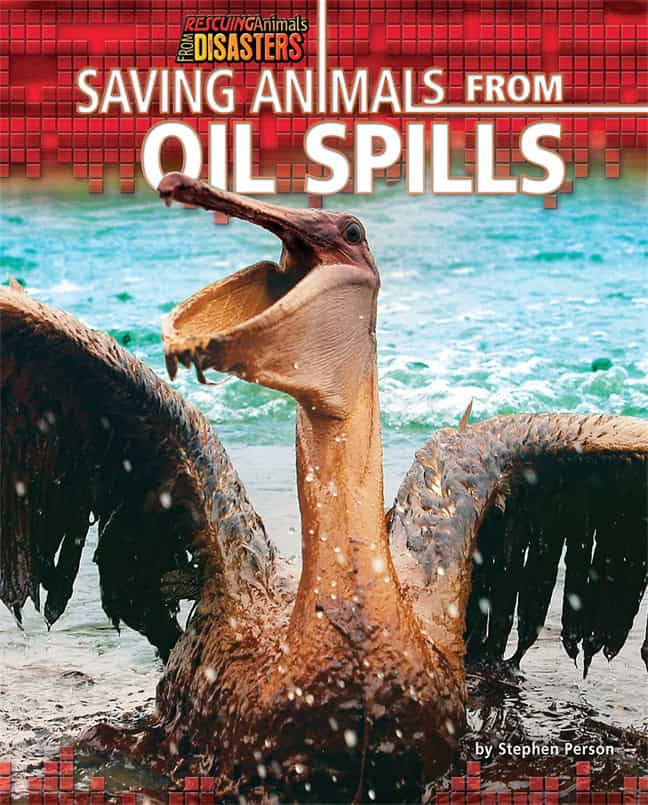
Featuring colorful, visually packed pages and readable prose, this title in the Rescuing Animals from Disasters series offers an accessible introduction to the impact of oil spills on a variety of creatures. Opening with a pelican rescue off Louisiana's coast, the spreads move on to an explanation of the Deepwater Horizon disaster, including a mention of its human toll. Later sections delve further into how oil spills specifically imperil wildlife, along with the processes and materials used for cleaning them. Accounts of animal rescues, rescue workers, and caregivers help personalize the subject, while a discussion of the 1989 Exxon Valdez incident in Alaska further illustrates oil spills' longterm effects on food chains. Throughout, basic concepts are well conveyed, and inset text adds additional, useful commentary on each page. The abundant photos include some hardhitting images, such as views of oilsoaked animals and a dead dolphin, but there are also plenty of photos of animal survivors and their rescuers. A glossary, bibliography, and suggestions for further reading are appended.
Reading Today Online
Biologist Kayla DiBenedetto rescued pelicans that were covered in brown sticky oil off of the coast of Louisiana after the largest oil spill in U.S. Waters in 2010. In colorful photographs, maps and captions this book describes how a pipe on the Deepwater Horizon oil rig cracked. Workers tried to seal the leak but the oil continued gushing out for nearly three months. Almost a half million gallons of oil flowed from the pipe into the Gulf of Mexico every single day. Scientists, like Kayla, rescued pelicans and other animals to clean and rinse the oil off their bodies so that they wouldn't die. Photographs depicting pelicans covered in oil before they were cleaned and after they were cleaned are very telling. The book also discusses other oil disasters such as the Exxon Valdez spill. The book also includes a glossary, bibliography and more information. Thankfully scientists, rescue workers and volunteers respond quickly to oil spills helping animals survive.