New

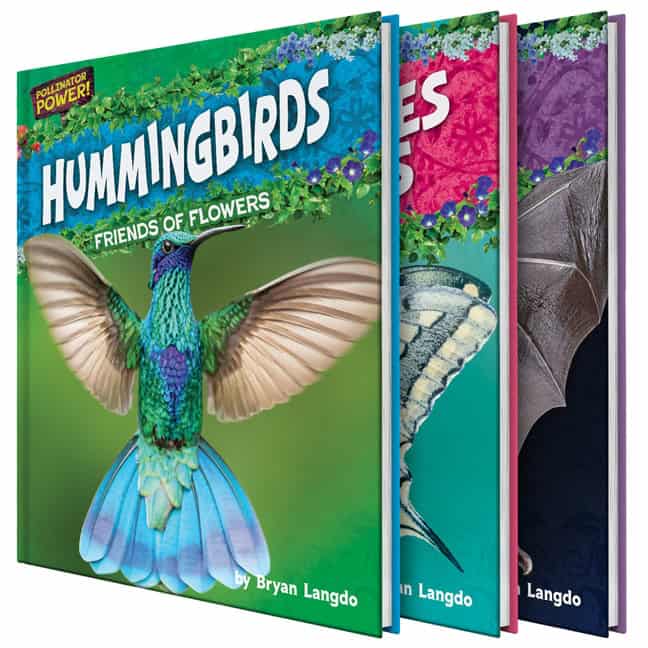
Pollinator Power!
Reading Level Grade 3Interest Level Grades 2 – 5Copyright 2026
Reviewed Reading Level Grade 3Interest Level Grades 2 – 5Copyright 2026
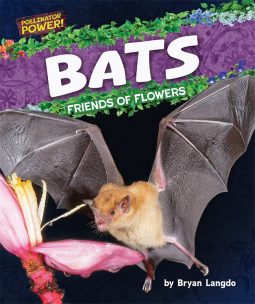
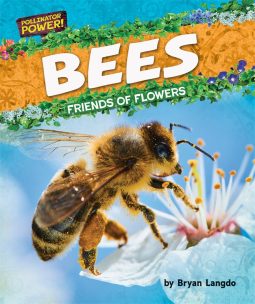
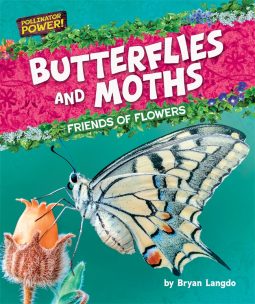
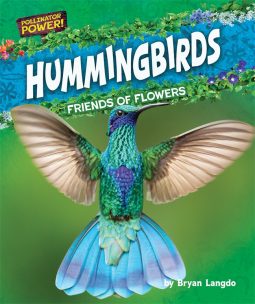
ReviewedMany animals flit, flap, and buzz from flower to flower. These little critters may be looking for a snack, but what they are doing is much bigger than grabbing a quick meal. These pollinators are helping the plants that are helping them. Explore how pollinators are specially made for the task of finding flowering food and what happens when they do. Then, learn what is putting pollinators at risk and what we could lose if these important animals were to go away. Fun, inviting text and stunning images make this set a beautiful addition for animal-lovers or anyone who cares about the environment.
Multiple elements of the featured animal’s role in pollination are clearly shown and explained in these series entries. In Bats, for example, readers learn how sight, hearing, and smell all help the animal locate the nectar-bearing plants, as well as the physical process of pollen distribution. Full-page photos show the animals in action and highlight notable physical features, such as the butterfly’s proboscis and the bee’s “feathery hair.” Captions identify specific parts of bodies and plants in most cases; pistils and stamens are mentioned in Bats, but not labeled. While pollination remains the focus throughout each book, related topics, such as beehives and hummingbird migration are also explained. A closing page looks briefly at dangers facing each animal and possible impacts if their pollinating activities continue to decrease. VERDICT: Clear writing supported by excellent photographs make this set a first choice on the topic of pollinators.
School Library Journal